Blog
Why So Many Poway Garages Still Have Uninsulated Doors
Many Poway homes date to the 1960s-1980s, before insulation standards applied to garage doors. Here's what that means for comfort, noise, and repair costs.
What Most People Get Wrong
Most Poway homeowners figure that if a garage door opens and closes without binding, it's doing its job. That's true for the mechanics, but it skips over how the door was built. Houses in Poway went up mostly between 1967 and 1992, with a median build year of 1978, and that's the detail that matters here. Insulation requirements for garage doors didn't exist when most of this housing stock was framed, so the door hanging on a huge share of Poway garages is a single layer of steel or wood with nothing behind it. No foam core, no vapor barrier, no thermal break at the seams. People assume 'original' means 'fine' because the door still tracks smooth and the opener still works. It doesn't mean the door is doing anything for the temperature or the noise level inside that garage, and if that garage backs onto a bedroom or a laundry room, it's working against the house, not with it.
The Problem
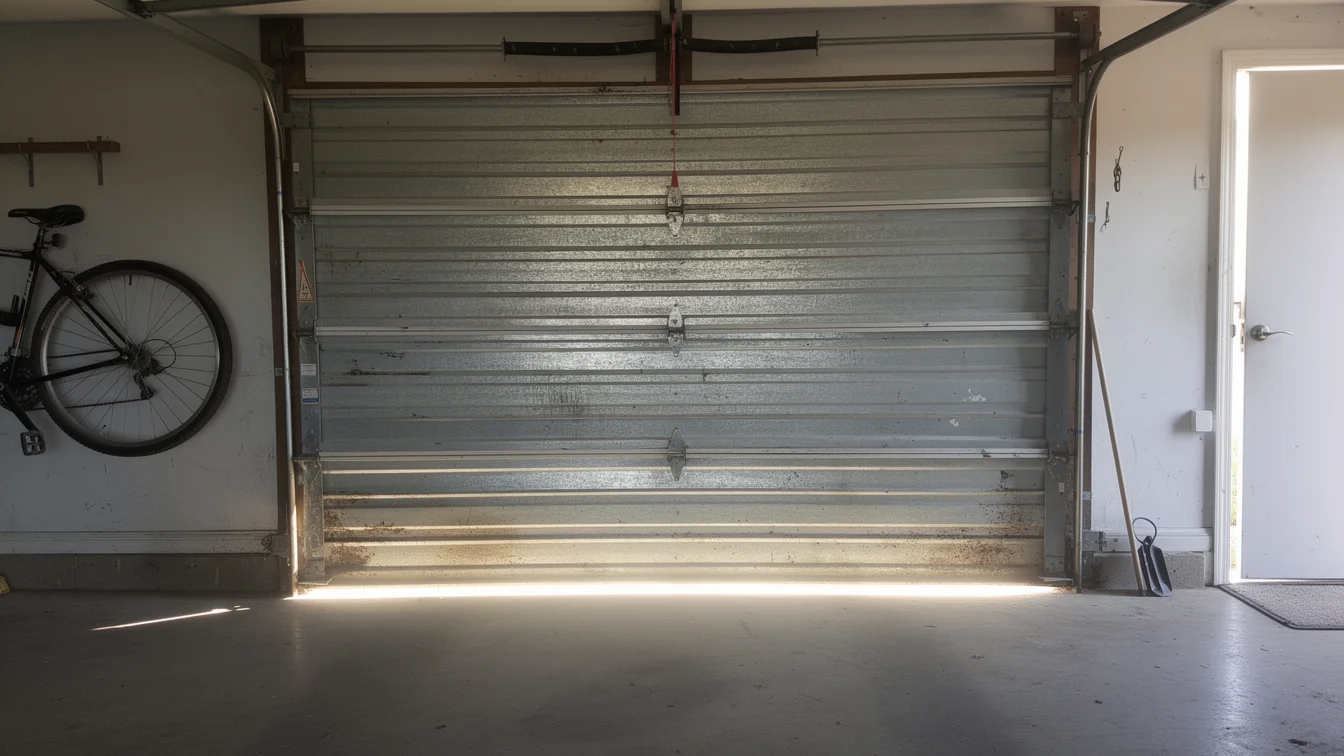
A single-skin steel door built to 1970s standards is a sheet of metal between the garage and the outside air. It transmits heat and cold almost directly, it rattles in wind because there's no mass to dampen it, and it sweats on the inside face when warm, moist air inside the garage meets a cold panel. That condensation sits at the bottom panel and the track hardware, which is exactly where rust starts on an old door. None of this is a crisis. It's a slow cost: higher garage temperatures that bleed into an attached laundry room or bonus room, a door that's louder than it needs to be, and hardware that corrodes faster than it would on an insulated panel. The door still opens. It's just not pulling its weight.
How Local Conditions Play In
Poway sits in a mild temperate band, which cuts both ways. Nobody here was ever forced to retrofit insulation to keep a door from cracking in a hard freeze, the way a homeowner further inland or at higher elevation might have been. That's part of why so much of this 1960s-70s original hardware is still hanging in driveways across Poway's housing areas - there was never a weather event that made the uninsulated door a problem people had to solve. But mild doesn't mean irrelevant. Summer afternoon heat still soaks into an uninsulated steel panel and radiates into the garage for hours after sundown, and that heat load reaches whatever room shares a wall with the garage. The lack of a hard winter just means the comfort cost shows up as a long, warm evening instead of a frozen door, so it's easier to live with and easier to ignore.
What to Check
Start by looking at the back of the panel, not the front. If you see bare steel ribs with no backing material, that's a single-skin door, and it's doing nothing for insulation regardless of how new the weatherstripping looks. Check the bottom seal and the stile edges for daylight gaps - on a door this age, the seals have usually outlived their flex. If an opener was added later, check that the springs were sized for the door's actual weight; a torsion spring set up for an older door doesn't always match once anyone's swapped the panel or added hardware. One honest note: foam-fill retrofit kits don't fit every track width from this era, and retrofitting an insulated panel into 1970s-spec hardware sometimes costs more in labor than it saves in comfort. At that point, replacing the door outright is usually the better call, not patching around it.
Questions
Common questions
Is my Poway garage door required to be insulated?
No building code in place when most Poway homes were built, between 1967 and 1992, required insulated garage doors, so a huge share of original doors are single-skin steel or wood. Current replacements often add insulation for comfort, but there's no retroactive mandate forcing an upgrade on an existing door.
Why does my garage get so hot in summer if winters here are mild?
Poway's mild temperate climate means doors rarely fail from freeze, but an uninsulated steel panel still absorbs afternoon sun and radiates heat for hours, especially if the garage sits on the sun-facing side of the house.
Can I just add insulation to my existing door instead of replacing it?
Sometimes. Foam-fill retrofit kits work on some older panels, but they don't fit every track width from this era, and the labor to fit one properly can cost more than the comfort gain is worth. A straight replacement is often the simpler, cheaper path.
Recommendation
You Might Also Like
More garage door guides for Poway homeowners.
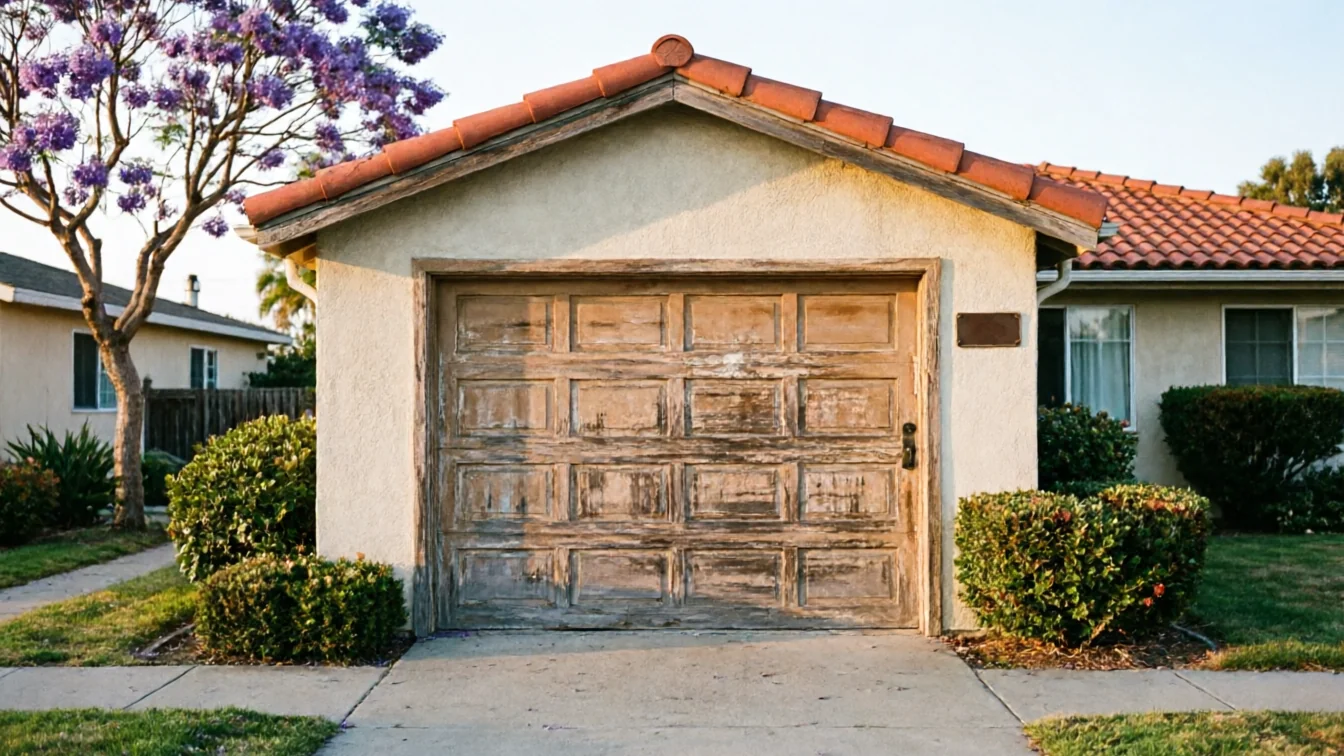
What an Older Door in Poway Is Actually Worth Fixing
Poway homes mostly date 1967-1992.
Read guide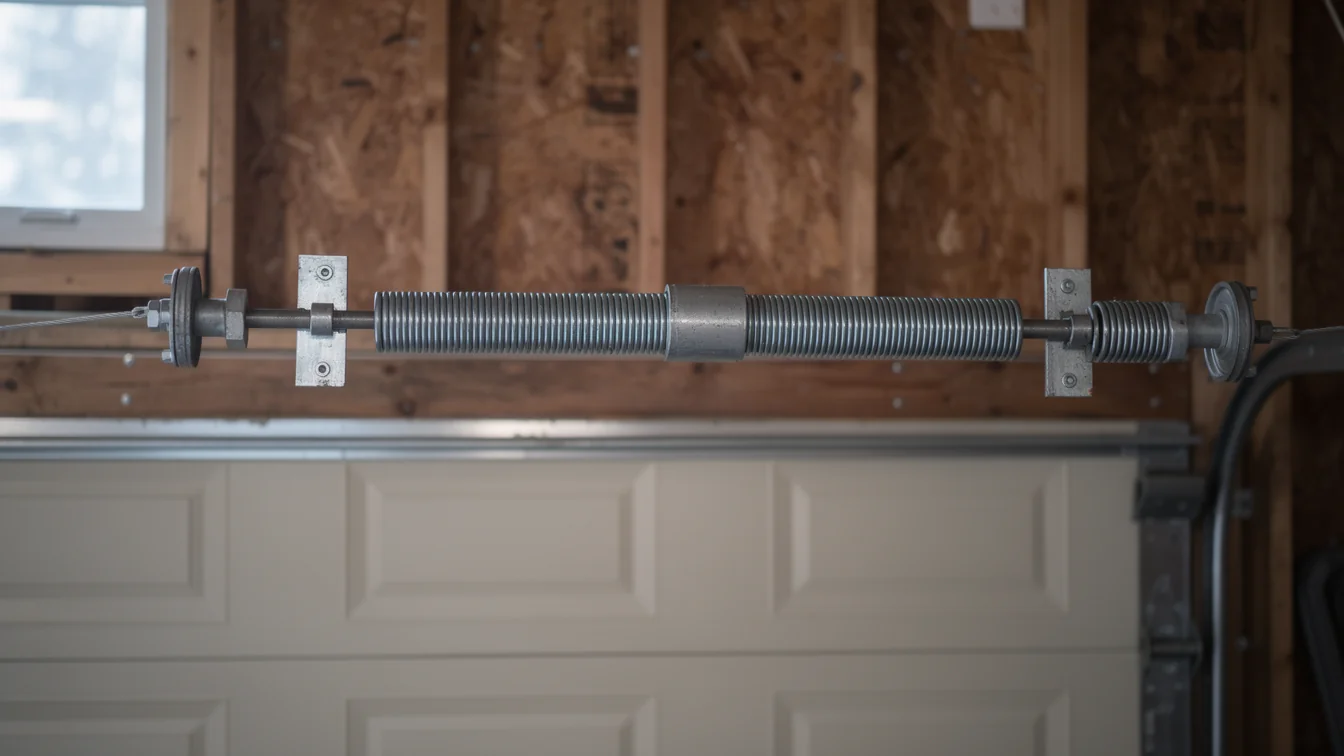
When a Spring Goes in Cold Weather: A Poway Homeowner's Guide
Poway homes built between 1967 and 1992 still run original torsion springs.
Read guide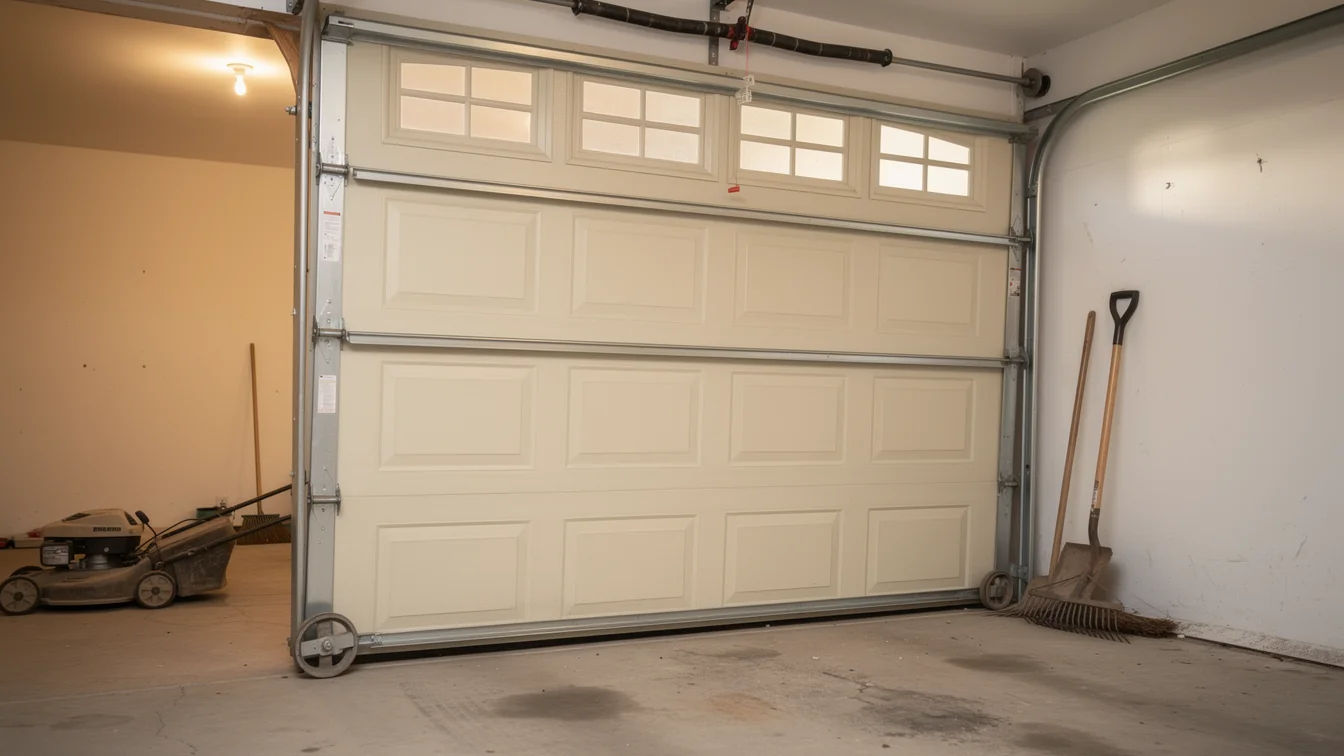
Why a Door Goes Off Track in a Poway Garage
Poway homes built mostly between 1967 and 1992 have original track hardware that wasn't designed for today's heavier doors.
Read guideReady when you are
Need a garage door sorted in Poway?
Poway Garage Door Pros repairs and installs garage doors, springs and openers in Poway, CA and the surrounding area.