
Blog
What a Service Call Covers in Poway, CA
Poway Garage Door Pros breaks down what a service call covers for homes built 1967-1992, from spring checks to track alignment in Poway's mild climate.
What Most People Get Wrong
Most owners figure a garage door service call is the same everywhere - a tech shows up, oils something, and leaves. That's not what's happening on most calls in Poway. Housing here mostly went up between 1967 and 1992, with a median build year of 1978, and that one fact changes what a call actually involves. A house built in 1978 almost never has the opener or spring it started with, but it often still has the original track brackets and the original door panel, just with two or three generations of hardware bolted onto it. A call here is as much about figuring out what decade you're working on as it is about fixing the symptom the owner called in about. Treating a 1970s torsion setup like a door installed last year is the single most common mistake - the clearance tolerances, the spring wind direction, and the drum sizing from that era don't match what's on the shelf at a big box store. Skipping that check is how a "quick fix" turns into a return visit two weeks later. The housing stock across the area clusters tight enough - mostly 1960s and 70s construction - that this isn't an edge case. It's most of the job.
The Problem
A torsion spring rated for 10,000 cycles doesn't know what year it is - it just keeps counting door openings until it's done. On a house built in the median year of 1978, that spring has had over four decades to get through its cycle life, and a lot of the ones still in service are past it. The symptom an owner notices is usually a door that's suddenly heavy, or a bang when it closes, but the actual problem is metal fatigue that's been building since the Carter administration. Cables fray the same way - slowly, invisibly, until one strand goes and the rest follow fast. Rollers on original tracks wear oval instead of round, which throws the whole door off its alignment a little more every month. None of this shows up as an emergency until it does. The honest part: once a spring or a track bracket is original to a 46-year-old house, patching it usually isn't worth the labor. A full torsion spring swap, done once with modern hardware, costs less over ten years than three separate call-outs to re-tension a spring that's already fatigued. That's not an upsell - it's just how metal fatigue works, and pretending otherwise is how a shop ends up back at the same house every spring.
How Local Conditions Play In
Poway sits in a mild temperate band, which actually works in an owner's favor compared to places with real freeze-thaw cycles or heavy coastal salt air. There's no ice jamming a track in January and no rust eating through a spring coil from sea humidity. That means when something fails here, it's almost always age and cycle count doing the damage, not weather. It also means a lot of hardware lasts longer than the manufacturer's rated life, which can lull an owner into thinking a 40-year-old spring is fine because it's never looked rusted. Mild climate doesn't mean no climate, though - steel still expands and contracts with daily temperature swings, and grease still dries out and gets tacky over the years if nobody's touched it. A tech on a service call here checks lubrication and track alignment before anything dramatic, because in this climate band those two things quietly cause more service calls than any storm ever would. The limitation worth saying plainly: a mild climate means we can't blame weather for a failing part. If a spring or roller is going out in Poway, it's almost always because it's old, not because the weather did it.
What to Check
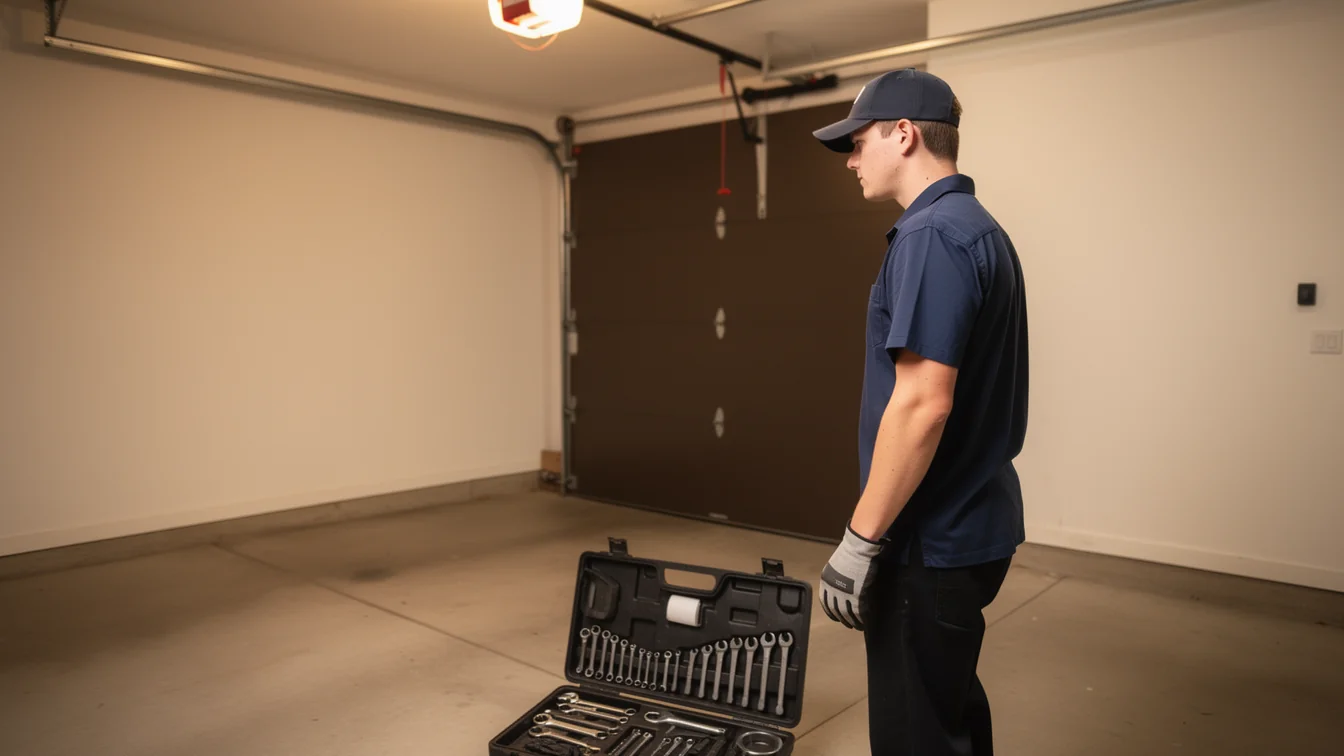
On a typical call for a house in the 1967-1992 range, here's what actually gets looked at, in order. First, the torsion spring - wind direction, wire gauge, and whether it matches the drum and door weight, since mismatched replacements from past repairs are common on older houses. Second, the cables, checked for fraying at the drum end where they take the most wear. Third, the track, sighted for alignment front to back - on original brackets that have shifted slightly over decades, a quarter-inch gap is often the real source of a grinding noise. Fourth, the rollers, checked for flat spots or oval wear rather than just "do they spin." Fifth, the opener's force settings, since original openers on older houses are frequently set too aggressive after years of owners cranking up the power to compensate for a binding track instead of fixing the track. We don't guess at any of this from the symptom alone - a door that's "just noisy" and a door that's about to drop a cable can sound almost the same from the driveway. The honest limitation: if the spring, track, and rollers are all original to a house built in the 1970s, we're usually going to recommend replacing the set together rather than swapping one part, because the other two are close behind it.
Questions
Common questions
Is it normal for a house built in the 1970s to still have its original garage door spring?
It happens more than you'd think, especially in Poway where median build year is 1978. A spring can outlast its rated cycle life if it's barely used, but most that old are fatigued even if they look fine. On a service call we check wind direction and wire gauge against the door weight before touching anything, since decades-old hardware rarely matches current standard sizing.
Does Poway's climate make garage door parts wear out faster?
No - the mild temperate band here is actually gentler on hardware than places with freeze-thaw cycles or salt air. What wears parts out in Poway is age and cycle count, not weather. A spring or roller failing here is almost always because it's old, not because of rust or ice damage.
Why would a tech recommend replacing the whole spring and track set instead of just the broken part?
On a house with original 1960s-70s hardware, if one part is fatigued the others are usually close behind on the same timeline. Replacing just the broken piece often means a second call within a year or two. It's not always necessary, but on original hardware from that era it's common enough that we flag it upfront.
Recommendation
You Might Also Like
More garage door guides for Poway homeowners.
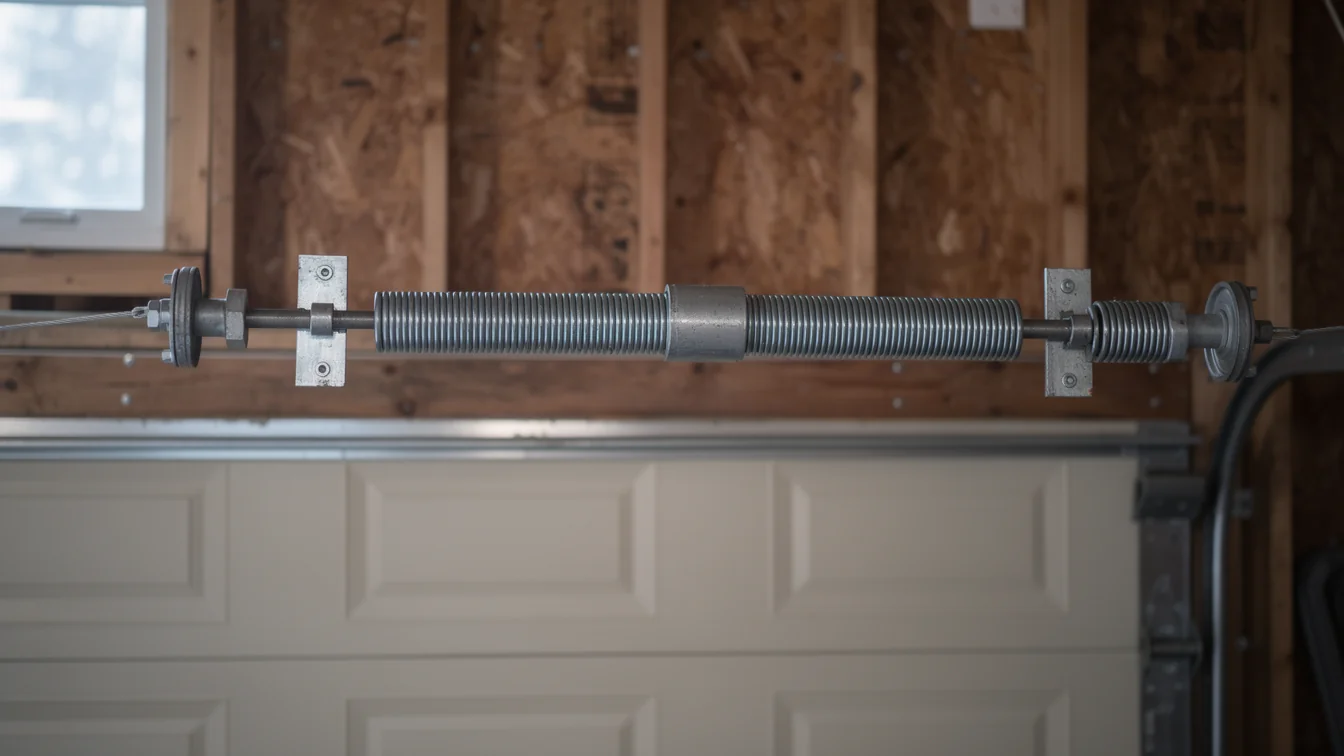
When a Spring Goes in Cold Weather: A Poway Homeowner's Guide
Poway homes built between 1967 and 1992 still run original torsion springs.
Read guide
What an Older Door in Poway Is Actually Worth Fixing
Poway homes mostly date 1967-1992.
Read guide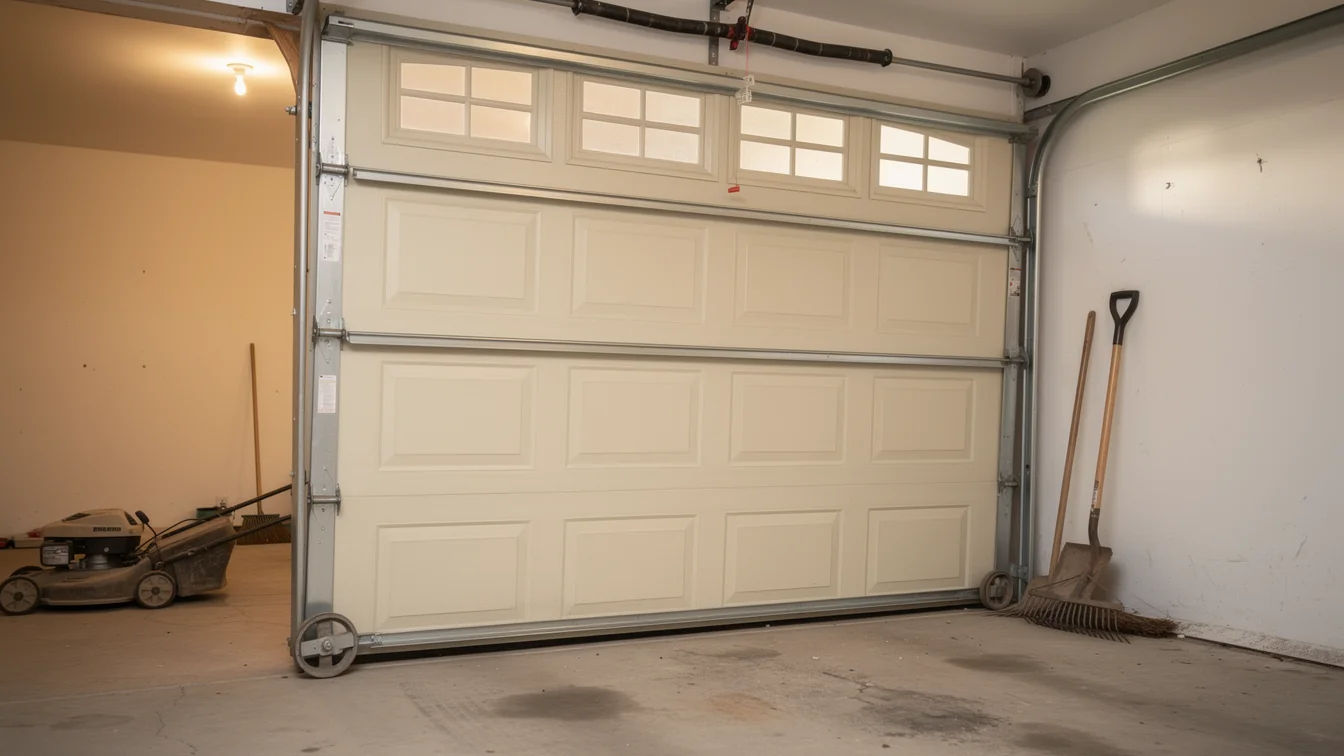
Why a Door Goes Off Track in a Poway Garage
Poway homes built mostly between 1967 and 1992 have original track hardware that wasn't designed for today's heavier doors.
Read guideReady when you are
Need a garage door sorted in Poway?
Poway Garage Door Pros repairs and installs garage doors, springs and openers in Poway, CA and the surrounding area.