
Blog
Why a Door Goes Off Track in a Poway Garage
Poway homes built mostly between 1967 and 1992 have original track hardware that wasn't designed for today's heavier doors. Here's what actually knocks a door off track here.
What Most People Get Wrong
Most homeowners assume a door jumps track because somebody backed into it or a roller finally gave out. Sometimes that's it. But in Poway, where the housing stock runs 1967 to 1992 with a median build year around 1978, the more common cause is track hardware that's been slowly twisting out of alignment for decades and nobody noticed until the door binds hard enough to pop a roller clean out of the rail.
The other mistake is treating a misaligned track as a track problem only. On a door this old, the track is usually fine. It's the mounting brackets bolted into aging jamb lumber that have worked loose a quarter-inch at a time, year after year, through thousands of open-close cycles. By the time the door actually derails, the bracket has probably been flexing for a long stretch before that final jump.
We're not saying every call is a 1970s house. But across the 21 named areas that make up this mostly 1960s-70s building stock, the pattern repeats often enough that it's worth ruling out before you assume the track itself needs replacing.
The Problem
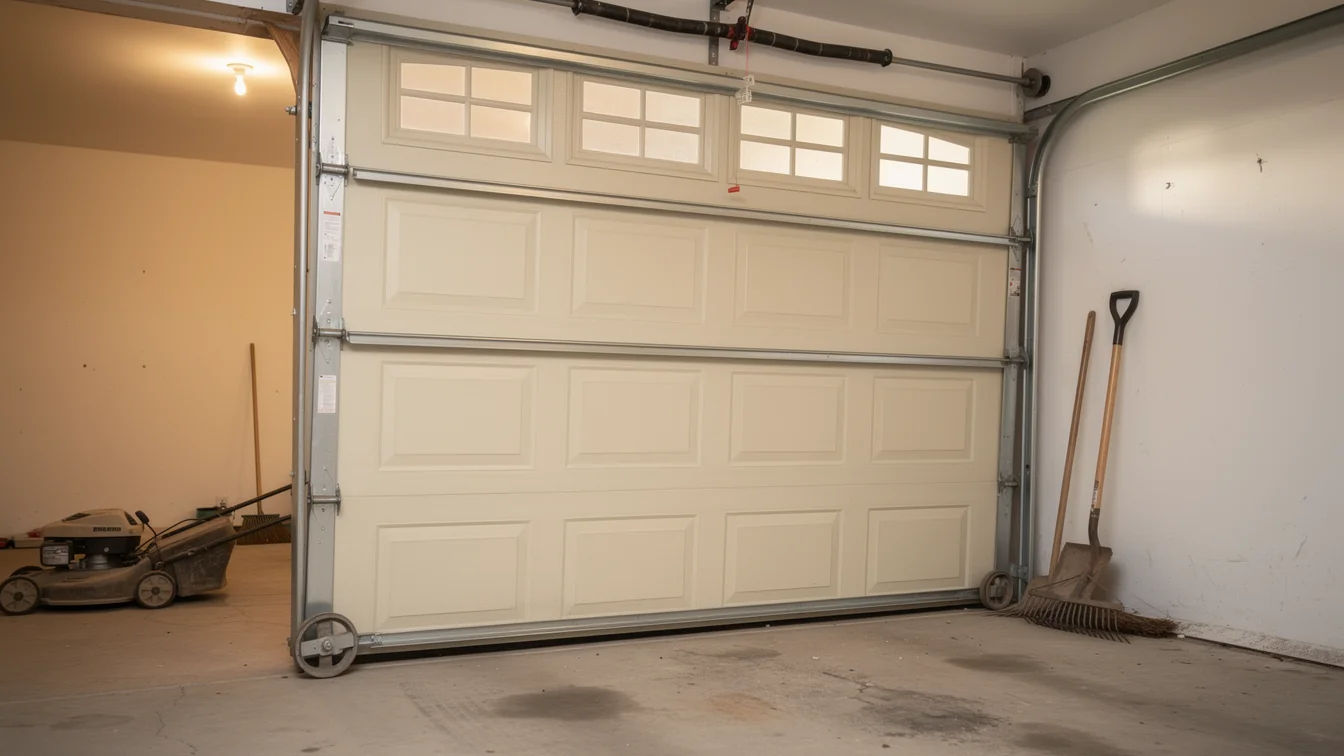
A garage door runs on two vertical tracks bolted to the framing and two horizontal tracks that curve up into the ceiling. When those tracks aren't perfectly parallel, or when a bracket has loosened, the rollers start riding the edge of the rail instead of sitting square inside it. Push the door through enough cycles like that and a roller eventually climbs the lip and drops out.
On homes from the 1967-1992 era common across Poway, the original track brackets were often fastened directly into jamb studs without the backing or spacing a modern install would use. Decades of thermal movement and door-weight cycling can walk those fasteners loose. It doesn't take an impact. It just takes time and use.
A bent track from a bumped car is the other common cause, and that one's obvious - there's usually a visible kink right where the vehicle made contact. The slow-drift version is the one people miss, because the door still looks straight to the eye even as it's running a quarter-inch out of true.
How Local Conditions Play In
Poway sits in a mild temperate band, so this isn't a frost-heave or freeze-thaw problem the way it would be somewhere with hard winters. That's actually part of why track failures here sneak up on people - there's no seasonal jolt that forces a yearly check. A door can run slightly out of alignment for years without the kind of temperature swings that would make the symptoms obvious sooner.
What does matter here is simply age. With median construction around 1978, a large share of garage doors and their track hardware in this area have been in service for 45 years or more, often with the original brackets. Steady use over that many years, in a climate that doesn't force maintenance the way harsher regions do, means alignment drift is the default state rather than the exception.
We don't see storm damage or ice-related track failures out here. What we see is fatigue: screws backed out of old jamb wood, brackets bent a few degrees over time, and tracks that were never bad enough to notice until the day they were bad enough to fail.
What to Check
Stand at the side of the door and sight down the vertical track on each side. If one leans in or out compared to the other, or compared to how it looked when the door was new, that's your first clue. Next, grab each mounting bracket by hand and see if it moves against the jamb - on original 1960s-70s hardware, a little give is common, more than a little means it's due for a refasten or an upgrade to a stronger bracket.
Check the rollers themselves. Cracked, worn, or badly rusted rollers ride rough in the track and accelerate the exact drift that eventually causes a jump. If you can see daylight between a roller and the track wall when the door is moving, that roller is already failing.
One honest limit here: if the track is bent rather than just loose, straightening it rarely holds for long. Bent track almost always needs replacing, not bending back, because the metal has already lost its shape memory at that spot. Trying to save a bent section usually means a repeat call within the year.
Questions
Common questions
Is a door going off track an emergency?
If the door is stuck partway open or closed and you can't move it safely, treat it as urgent - a door hanging on one track can drop. If it's off track but resting on the ground, it's not going anywhere and can wait for a scheduled look.
Can I push the door back onto the track myself?
We'd rather you didn't. The door is under spring tension even when it looks still, and forcing a roller back into a bent or misaligned track can snap a cable or bend the track further. It's a quick job for someone with the right clamps and bars.
Does my older Poway home need new track hardware?
Not always. Plenty of original brackets from the 1960s-70s era are still sound if they've been checked and tightened. The call is whether the jamb wood underneath has held up and whether the track itself still runs straight.
Recommendation
You Might Also Like
More garage door guides for Poway homeowners.
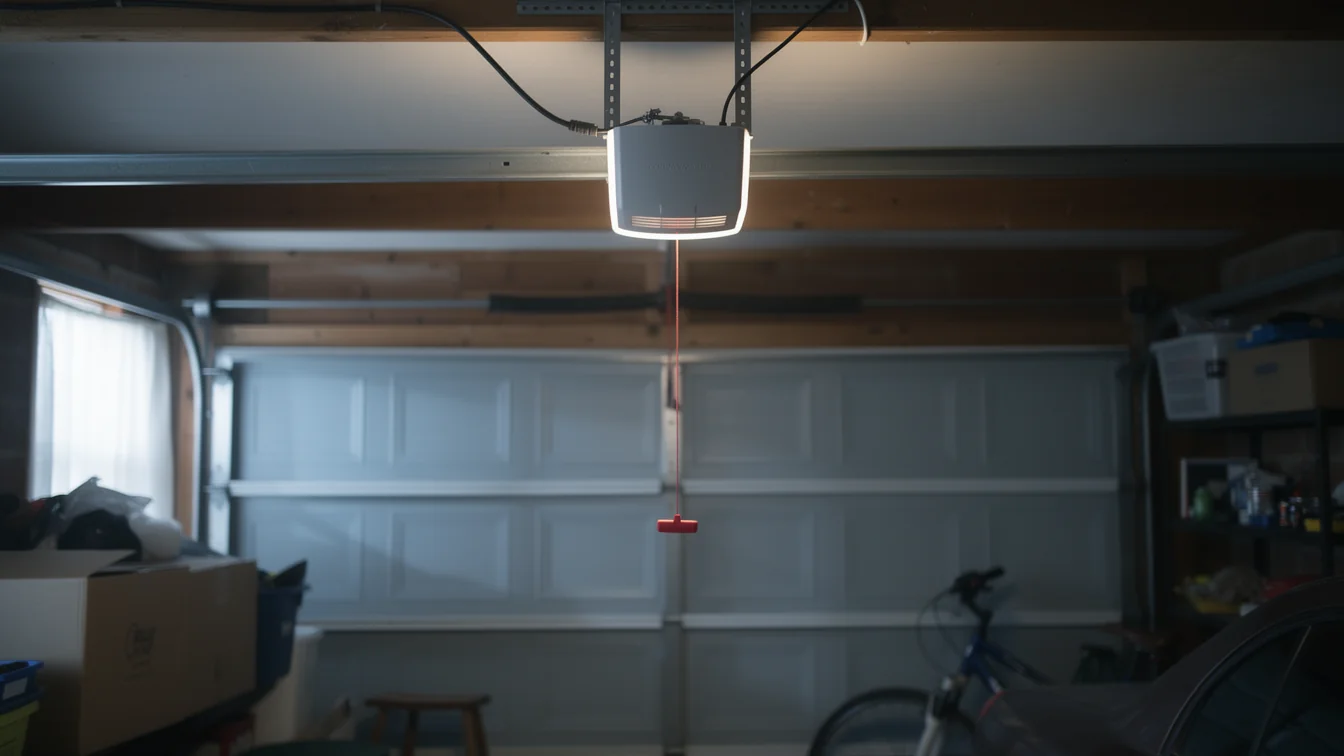
Openers, Power Cuts, and the Houses Poway Actually Has
Poway homes built mostly between 1967 and 1992 pair openers with wiring and hardware that react differently to power cuts.
Read guide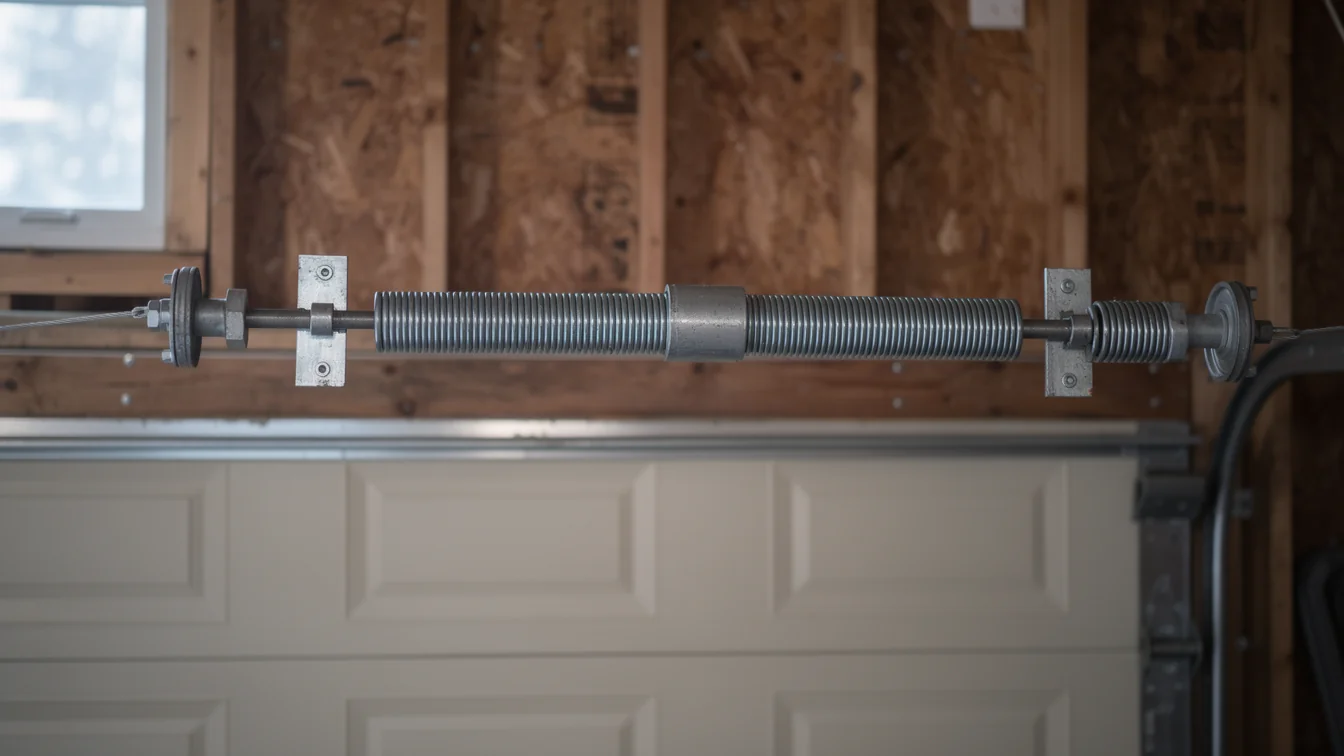
When a Spring Goes in Cold Weather: A Poway Homeowner's Guide
Poway homes built between 1967 and 1992 still run original torsion springs.
Read guide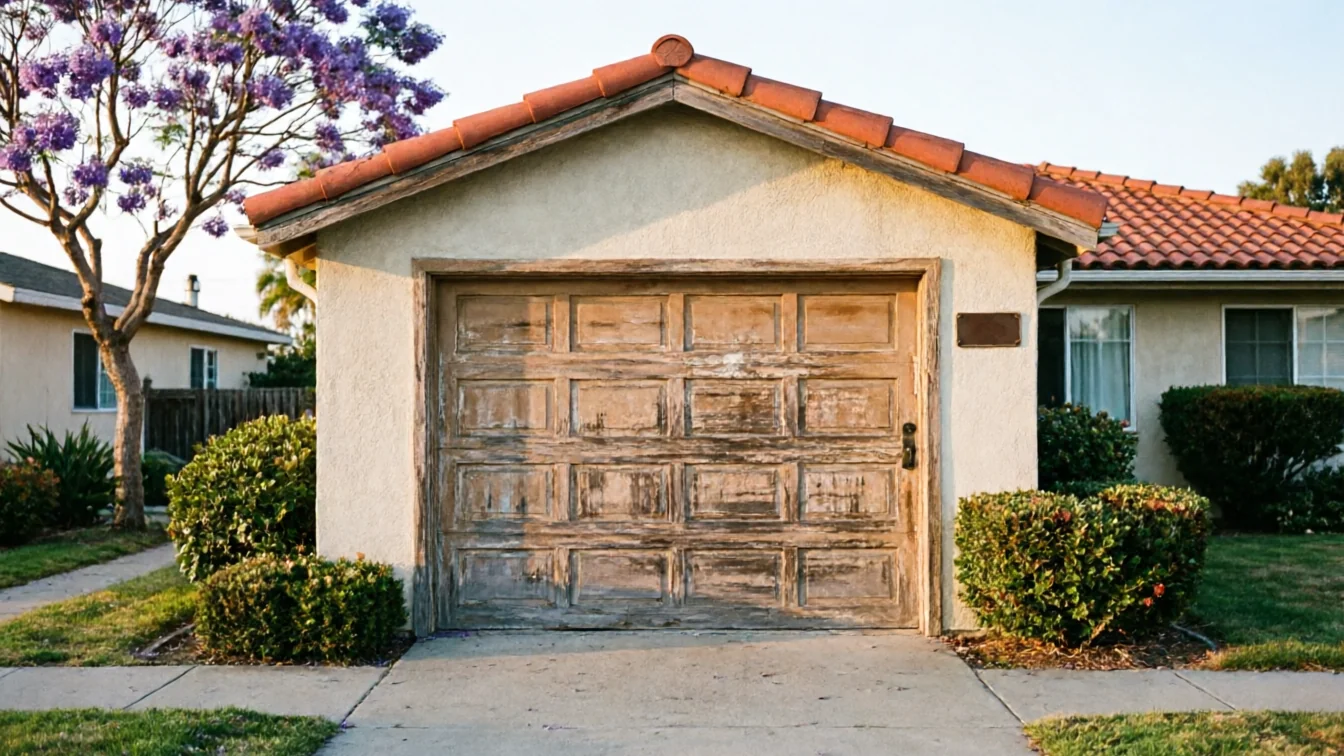
What an Older Door in Poway Is Actually Worth Fixing
Poway homes mostly date 1967-1992.
Read guideReady when you are
Need a garage door sorted in Poway?
Poway Garage Door Pros repairs and installs garage doors, springs and openers in Poway, CA and the surrounding area.