
Poway, CA
Garage Door Service Built Around Poway's 1970s Housing Stock
Garage door service in Poway tuned to the town's 1970s housing stock and mild climate - spring wear, aging openers, and dried-out weatherstrip, not generic fixes.
Why It Happens Here
Most houses in Poway's service area went up between 1967 and 1992, with the median build year sitting at 1978, so a lot of openers and torsion springs out there are original equipment pushing fifty years old. Across the 21 named communities we cover, the housing stock skews heavily toward 1960s and 70s construction, which means steel springs sized for doors half the weight of today's insulated panels, and chain-drive openers with circuit boards that were never meant to run this long.
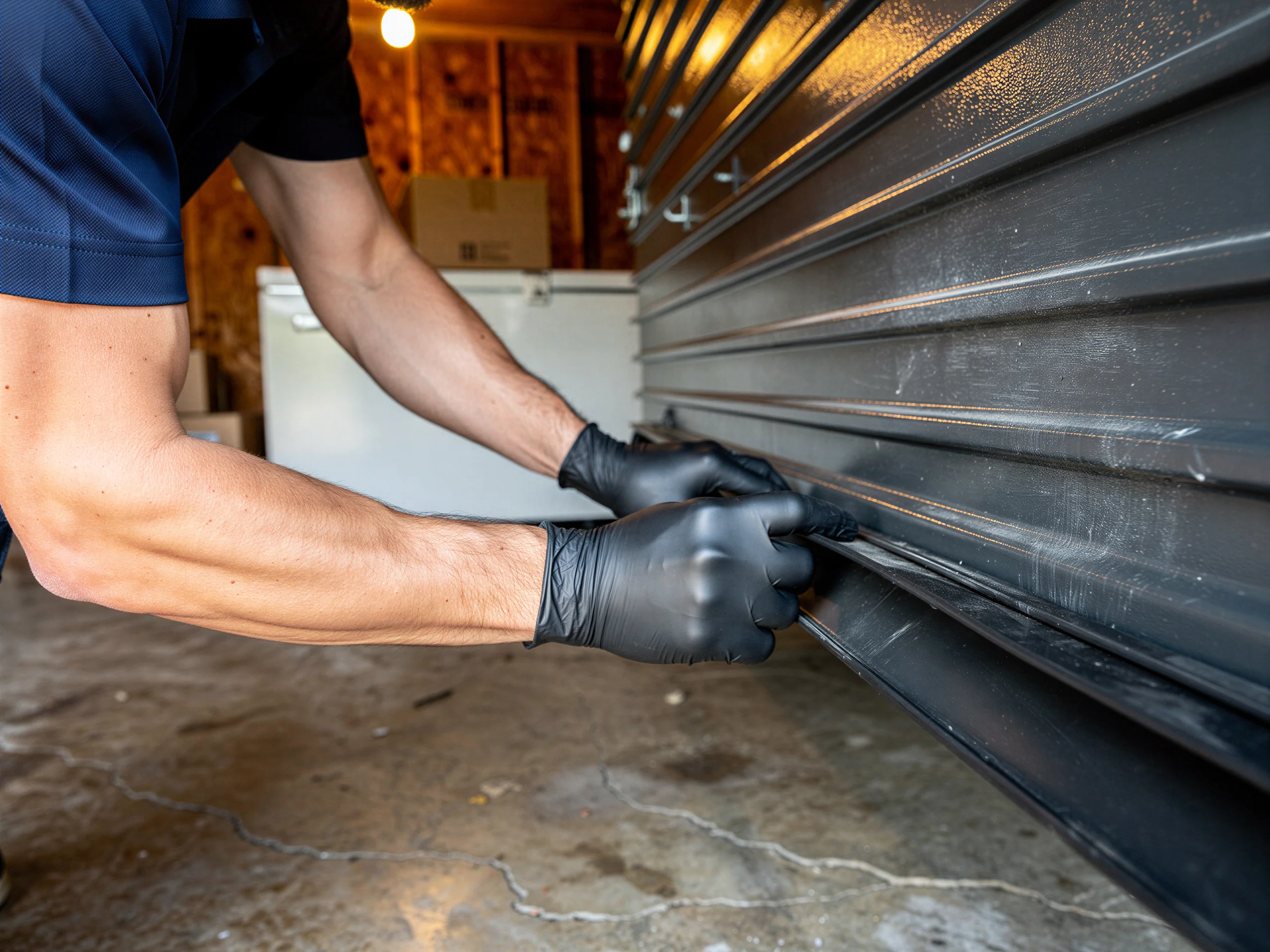
Poway sits in a mild temperate band, so the wear here comes less from freeze-thaw and more from decades of UV cycling on weatherstrip and nylon rollers. The seals dry out and crack, the rollers go stiff and loud, and nobody notices until the door starts binding on the track. Mild winters also mean a lot of these systems never got the once-a-decade hardware refresh that harsher climates force on owners - things just keep running until a spring lets go or a gear strips.
None of this is dramatic weather damage. It's slow, steady fatigue on hardware that's older than most of the people calling us.
How to Book
With 46,214 owner-occupied houses among the 93,658 households in this service area, we get a steady run of calls from owners dealing with the same 1970s-era hardware - sticky openers, worn rollers, springs that are starting to sound different when the door goes up.
Describing the symptom online
The fastest way to get on the schedule is through the site. Tell us the symptom, not just "the door's broken. Is it slow, loud, stuck halfway, or not responding to the remote at all?
Pricing depends on failure
That tells us what to bring on the truck instead of showing up to diagnose from scratch. We don't quote a fixed price here because every job depends on what's actually failed - a $40 roller set and a full torsion spring replacement are not the same visit.
Whole-system diagnosis approach
What we can tell you up front is that we'll look at the whole system, not just the symptom you called about, since on houses this age one worn part is rarely the only one.
The Symptom
The call we hear most from this side of town is a door that works fine most of the day and then hesitates or reverses partway up - usually in the afternoon, after the garage has had a chance to heat up.
Drifting travel limits from heat
That's consistent with original-era openers: the circuit board or the travel limits drift with heat, and a system built in the 1970s or 80s wasn't engineered with today's tighter safety reversal tolerances in mind.
Grinding from dry rollers
Close behind that is noise - a grinding or popping sound right before or during the lift, which on a door this old is almost always a roller that's gone from nylon-smooth to dry and chipped, or a spring that's lost tension unevenly on one side.
Crooked travel before failure
You'll notice the door walking crooked in the track before it ever fails outright. Less common but more urgent: a cable that's started to fray visibly at the drum. That one doesn't wait. If you see strands separating, don't run the door again - call.
Can You Do This Yourself
Some of this is fair for an owner to handle. Lubricating rollers and hinges, tightening loose bolts on the track brackets, replacing a dead remote battery, swapping weatherstrip at the bottom of the door - all reasonable weekend jobs with basic tools.
Spring and cable hazards
Spring and cable work is not. A torsion spring on a door this old is under enough stored force to break a wrist or worse if it lets go while you're working on it, and the winding bars and clamps needed to do it safely aren't something most garages have lying around.
Sagging doors signal tension loss
If your door is sagging unevenly, the cable looks frayed, or the door won't stay up without you holding it, that's spring tension gone - and that's a call, not a project.
Replacing aged opener units
Our honest limit: if an opener motor from this era has already failed once and the control board is original, we're usually going to recommend replacing the unit rather than hunting down a part for a forty-year-old model. Parts for boards that old are getting hard to source, and a new opener often costs less than the labor to keep chasing a dying one.
Questions
Common questions
Why do so many Poway garage doors fail around the same age?
Most of the housing in this service area was built between 1967 and 1992, median year 1978, so a huge share of the original torsion springs and openers are now pushing forty to fifty years of use. Steel fatigues and circuit boards drift with age regardless of how well the door was maintained, so a lot of these systems are simply reaching end of life around the same time.
Does Poway's climate cause garage door problems?
Not in the way cold-climate towns see - no freeze-thaw cracking here. The mild temperate conditions mean the damage is slower: UV breaking down weatherstrip and nylon rollers over decades of sun exposure, rather than sudden winter failures. It shows up as cracked seals and stiff, noisy rollers rather than frozen tracks.
How do I know if it's the opener or the spring?
If the door is heavy to lift by hand with the opener disconnected, or it drops suddenly instead of lowering smooth, that's spring tension. If the door moves fine by hand but the opener hesitates, reverses, or won't respond to the remote, that's the opener or its circuit board. Either way, don't force it - call it in.
Can I replace a torsion spring myself?
We'd recommend against it. The spring is under enough stored force to cause serious injury if it releases while you're working, and it takes specific winding bars and clamps to do safely. This is one of the few jobs on a garage door that's worth paying for even if you're handy with everything else.
Explore more
Explore More Services In Poway, CA
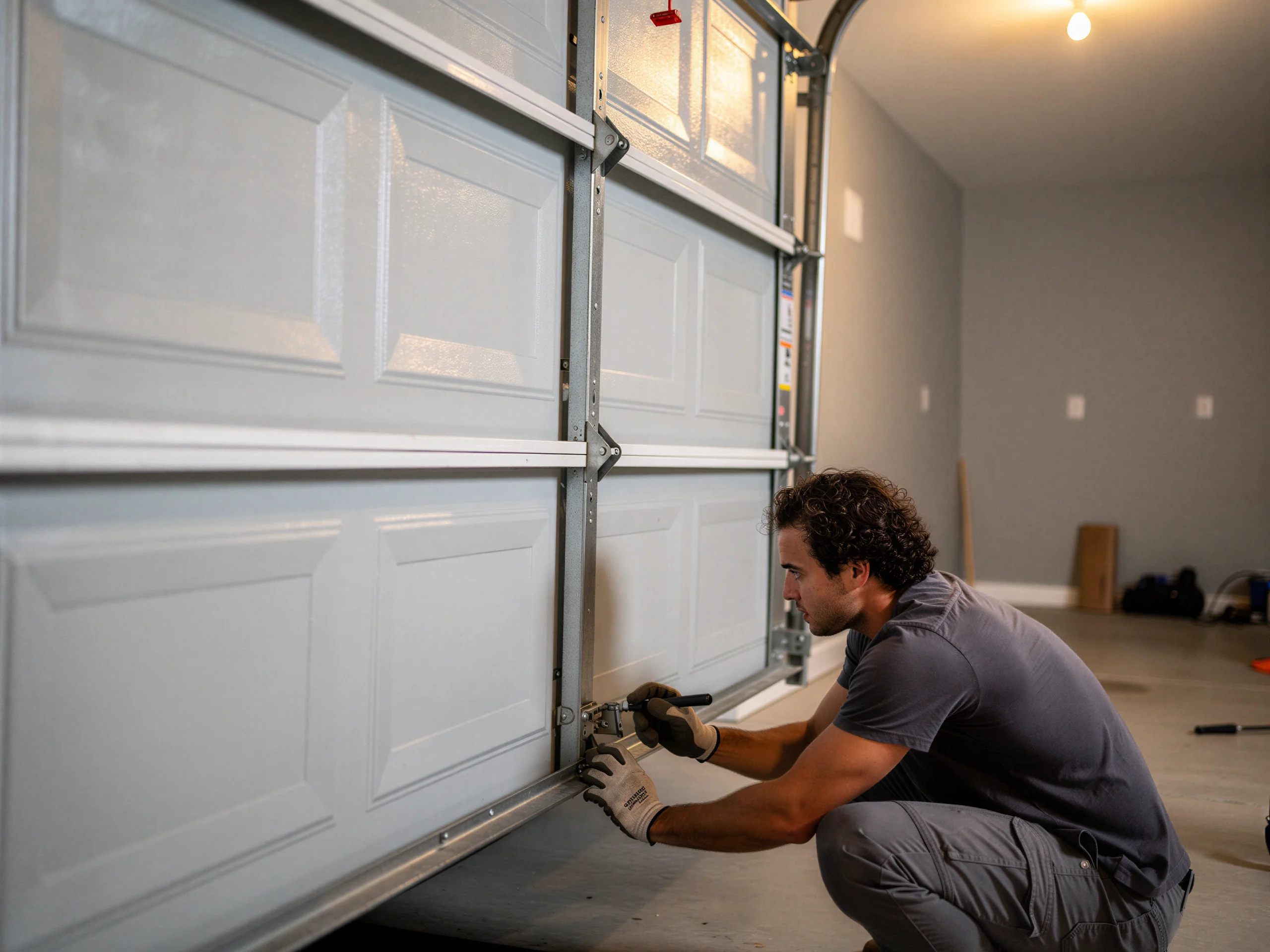
When a Garage Door Fails in a Poway Home Built in the 1970s or 80s
Broken torsion springs and off-track doors are common in Poway's 1967-1992 housing stock. Learn more →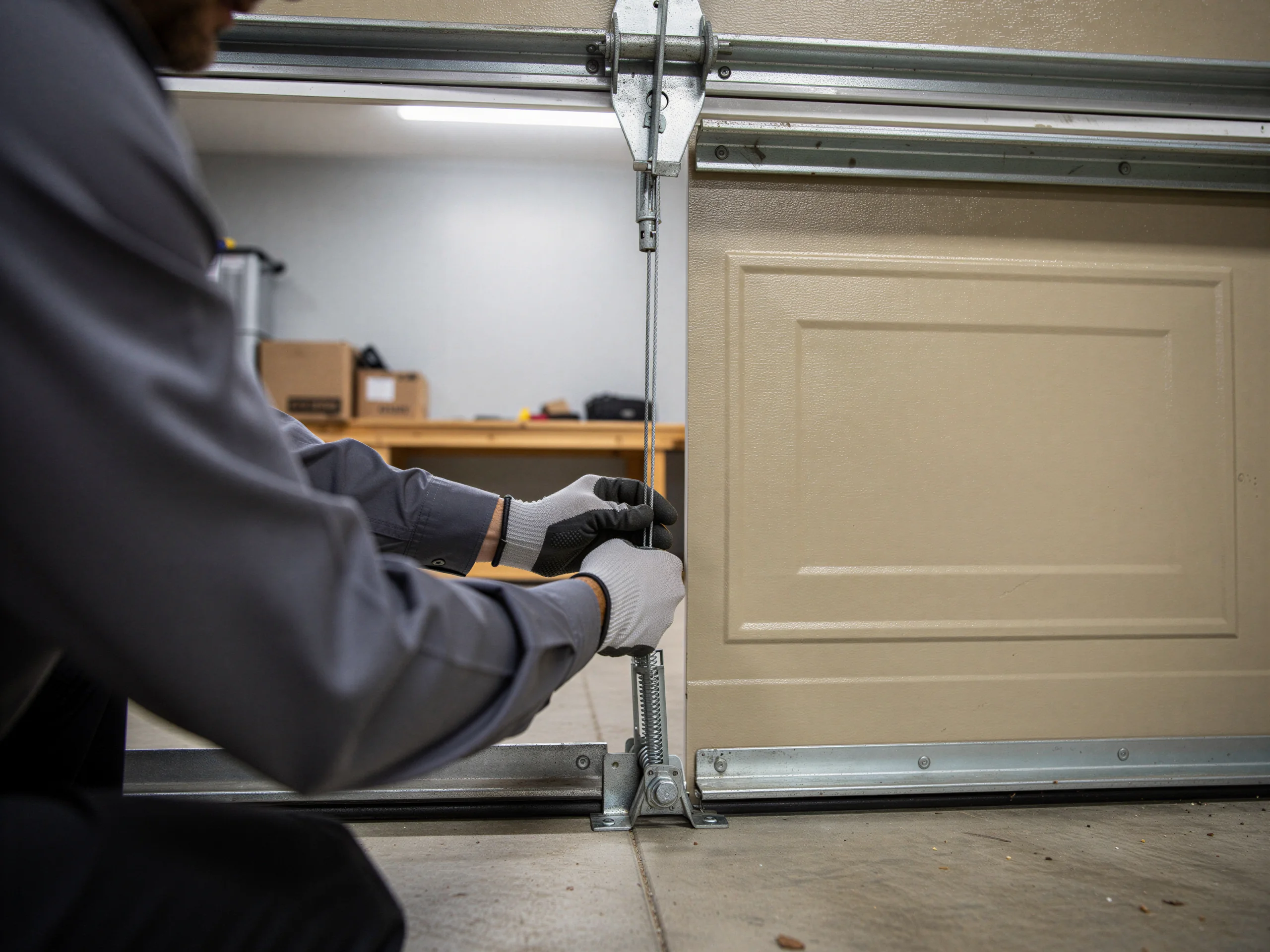
Garage Door Cable Repair in Poway
Garage door cables snap or fray fast in Poway's 1970s-80s homes with original hardware. Learn more →
Garage Door Maintenance for Poway Homes
Maintenance for garage doors on Poway's 1960s-80s housing stock: what wears out first, what the mild climate hides, and how to book a check-up before a spring lets go. Learn more →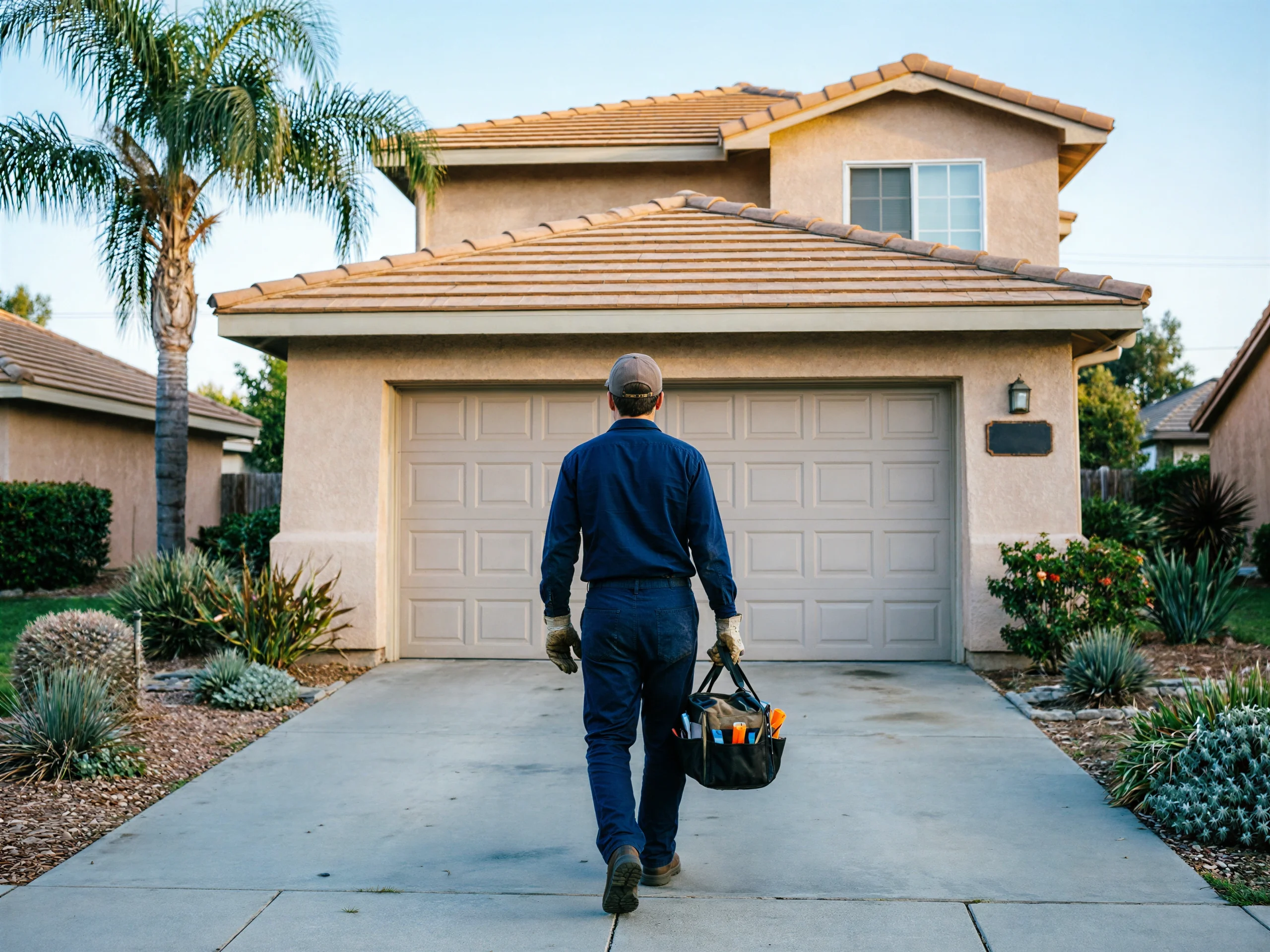
Fast Emergency Garage Door Repair for Poway Homeowners
Broken spring or stuck door in Poway? Learn more →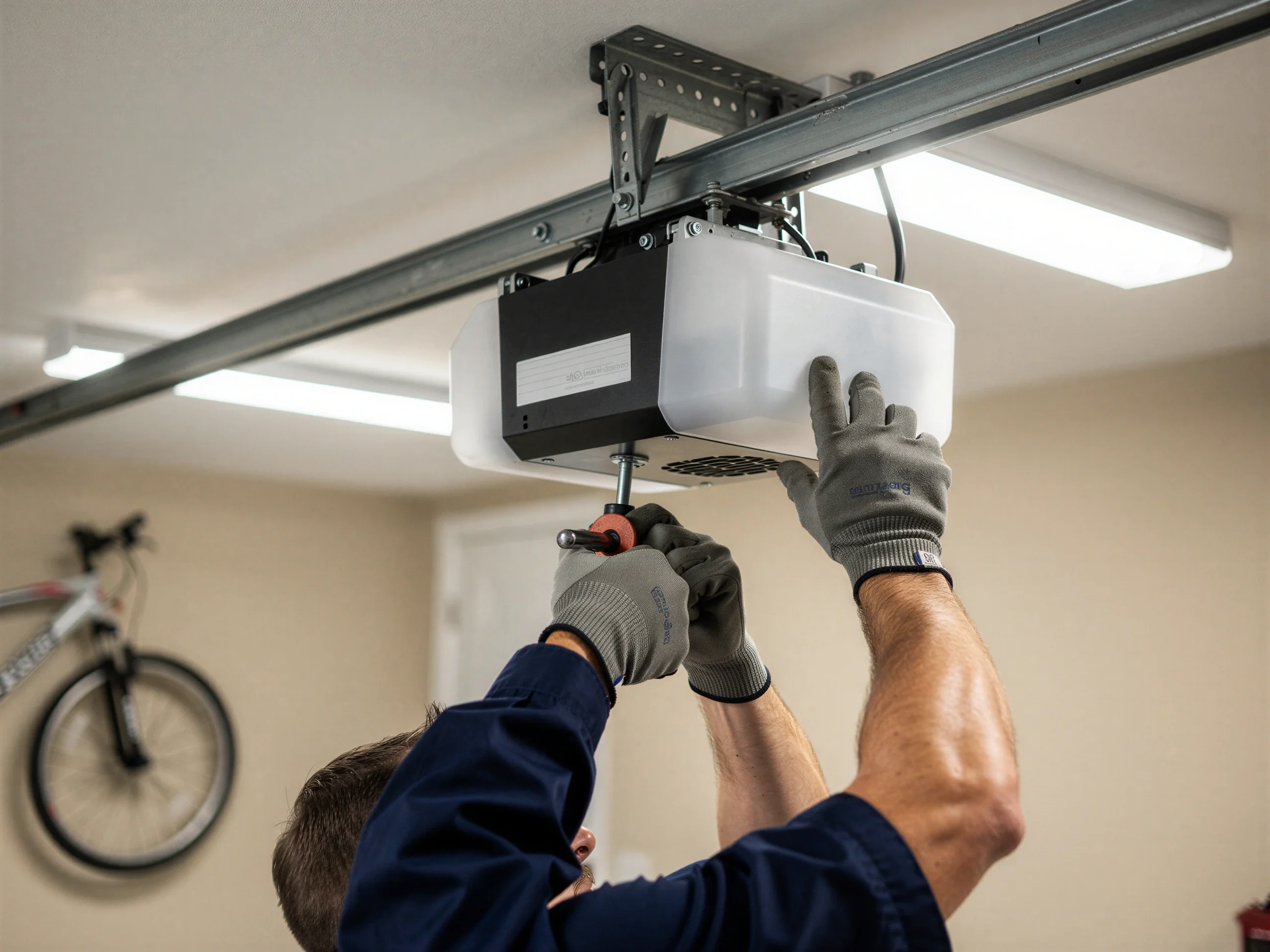
New Garage Door Opener Installed in Poway
Opener installation for Poway homes built 1967-1992, where original openers and worn gear-drive units fail in the mild coastal-inland climate. Learn more →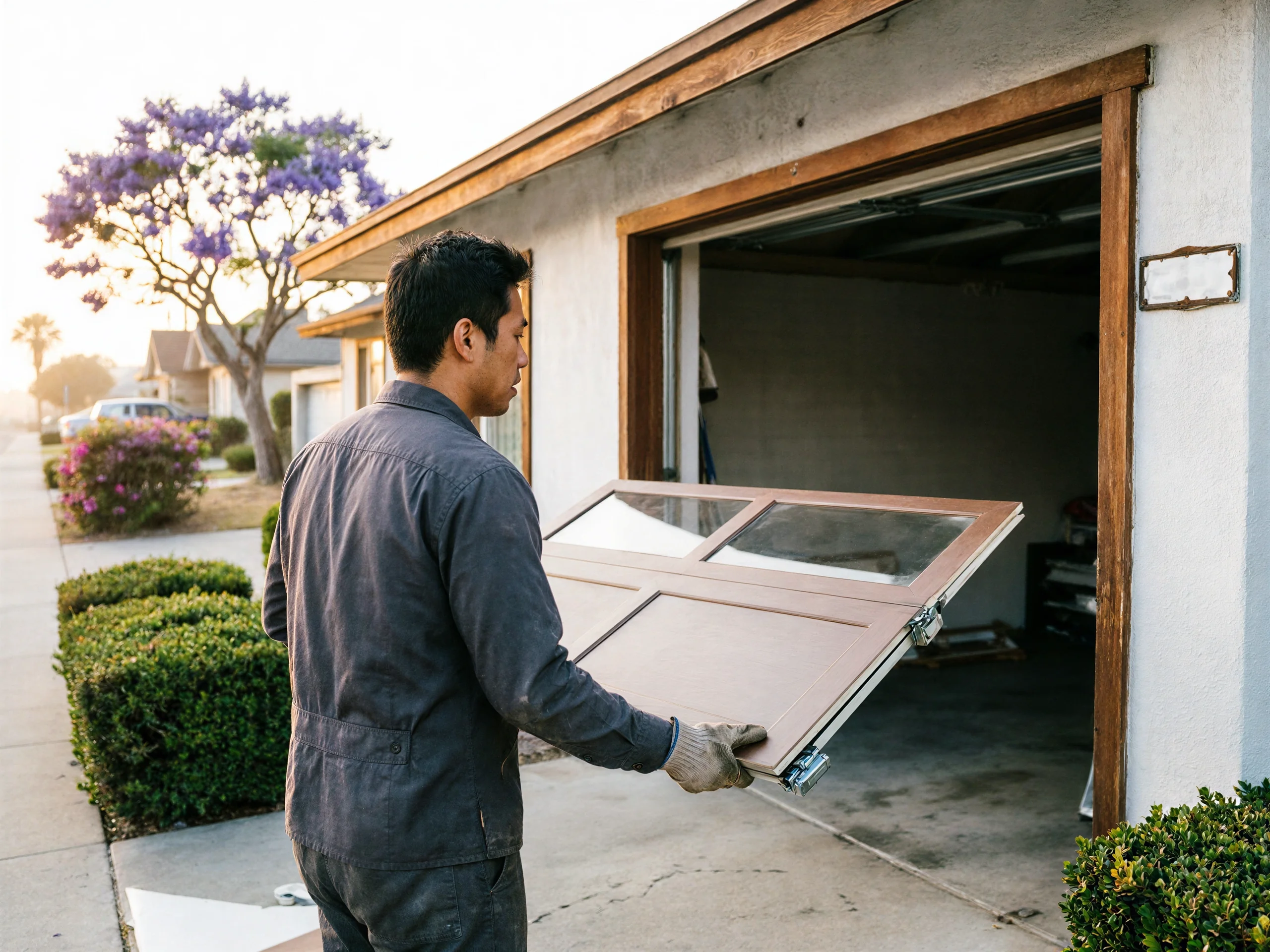
Garage Door Panel Replacement for Poway Homes
Panel replacement for Poway's 1967-1992 housing stock. Learn more →Ready when you are
Need a garage door sorted in Poway?
Poway Garage Door Pros repairs and installs garage doors, springs and openers in Poway, CA and the surrounding area.