
Blog
Why Poway Garage Doors Let in Draughts
Most Poway garage doors date to 1967-1992, and mild coastal-inland swings wear out the rubber seal, letting in draughts long before the door itself fails.
What Most People Get Wrong
When a garage starts feeling drafty, most owners blame the opener or assume the whole door needs replacing. Neither is usually the real issue. The median home in this area was built around 1978, with most of the stock going up between 1967 and 1992 across the 21 or so named areas that make up this part of the county. That means the seal on the bottom of the door - the long rubber strip called the astragal - is often decades past its useful life, even if the panel above it looks fine.
People also chase the wrong gap. They weatherstrip the sides of the door opening and ignore the bottom seal, which is where most of the draught actually comes through on a door this old. Or they tighten the opener's down-force thinking a tighter close will stop the draught, which just wears the seal faster without fixing anything.
The honest fix is almost always cheaper than people expect, but it does mean replacing the seal itself, not adjusting around it. A new astragal and side seals run a fraction of what a new door costs, and they're the first thing worth checking before anyone talks about replacement.
The Problem
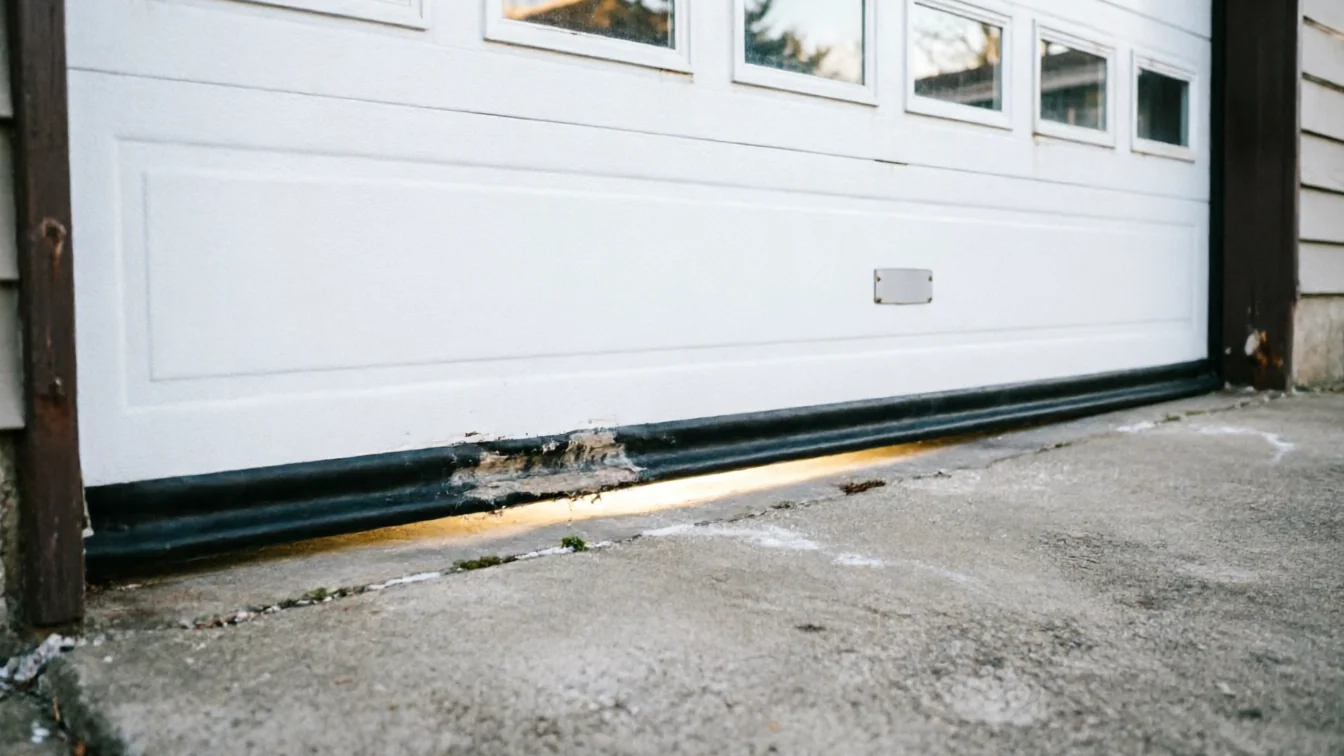
Rubber and vinyl seals don't fail all at once. They go brittle, then crack, then shrink slightly away from the track they're supposed to seal against. On a door installed when the house was built in the late 1970s or 1980s, that seal has been through decades of sun, heat, and the kind of daily temperature swing this area gets. By the time an owner notices cold air or dust coming through at floor level, the seal has usually already pulled away from the slab at one or both corners - the weakest points.
Side seals and the header seal fail the same way, just slower, because they get less direct sun than the bottom astragal. On older torsion-hardware doors, the side seal is often stapled or nailed into a wood jamb that's shifted slightly over 40-plus years, so even a brand-new seal won't lie flat against it without some adjustment to the jamb or a thicker replacement strip.
One limitation worth saying plainly: a new seal won't fix a warped panel or a door that's racked in its track. If the draught is coming from daylight visible along one entire side rather than just the bottom corners, that's a door or track problem, not a seal problem, and no amount of new weatherstripping solves it.
How Local Conditions Play In
This area sits in a mild temperate band - no hard freezes, nothing like the winters that crack concrete elsewhere. That sounds like it should be easy on a garage door seal, and in some ways it is. There's no ice to tear a seal off the track the way a freeze-thaw cycle does further inland or at elevation.
But mild doesn't mean steady. Garages here swing between inland afternoon heat and the cooler marine air that drifts in from the coast - the kind of air mass that reaches places like Del Mar and Solana Beach, both about 14 miles out. That daily expansion and contraction is slower than a freeze cycle but just as hard on old rubber, especially rubber that's already 30 or 40 years into its life because the house itself dates to that 1967-1992 build window. UV exposure does the rest - a west-facing garage door here gets a lot of direct sun over a year, and that's what actually dries out and cracks a seal faster than age alone would.
The net effect: seals fail here less dramatically than in a freeze climate, but they fail just as surely, on the same rough timeline as the houses they're attached to.
What to Check
Start at the bottom. Pull up on the astragal seal where it meets the slab at each corner - if it's stiff, cracked, or pulls away without springing back, it's done. That's the single most common draught source on doors from this era.
Next, check the side seals where the door meets the jamb on both sides. Run a hand along the gap with the door closed on a sunny afternoon; if you feel air movement or see daylight at the top corners, the seal has shrunk or the jamb has shifted - common on houses built in the 1960s and 70s where the frame has settled slightly over the decades.
Check the header seal at the top, though it's less exposed to sun and usually the last to go. Look at the corner blocks where bottom and side seals meet - that junction is where gaps show up first, because it's the hardest spot to seal with a single continuous strip.
Last, open and close the door and watch how evenly it sits in the track. If one side closes tighter than the other, you're not looking at a seal problem alone - that's a track or hinge issue that needs attention before a new seal will do any good.
Questions
Common questions
How old does a seal have to be before it stops working?
There's no fixed number, but on houses built in this area's typical 1967-1992 window, original or long-unreplaced seals are well past their practical life. Cracking, stiffness, and gaps at the corners are the signs to look for rather than age alone - some last longer in shaded garages, some fail sooner on sun-facing doors.
Will new weatherstripping fix a cold garage?
It helps with draughts at floor and side level, which is most of what people notice. It won't fix a warped panel, a racked door, or poor insulation in the door itself. If the garage still feels cold with a good seal in place, the issue is likely the door's insulation value, not the seal.
Why does my garage draught more in the afternoon?
Temperature swings here between inland heat and cooler coastal air during the day cause the door panel and seal material to expand and contract. On an older seal that's already shrunk or cracked, that daily movement can open small gaps that close up again overnight, which is why the draught seems to come and go.
Recommendation
You Might Also Like
More garage door guides for Poway homeowners.
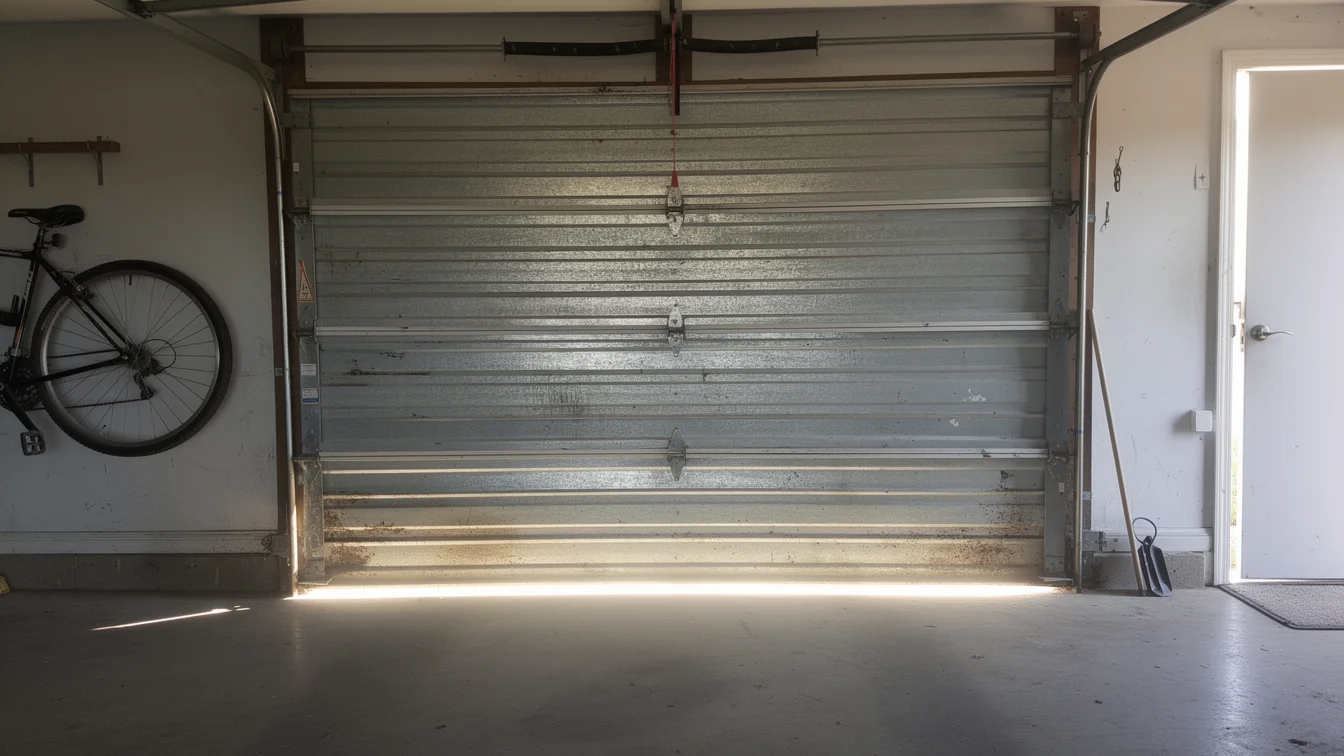
Why So Many Poway Garages Still Have Uninsulated Doors
Many Poway homes date to the 1960s-1980s, before insulation standards applied to garage doors.
Read guide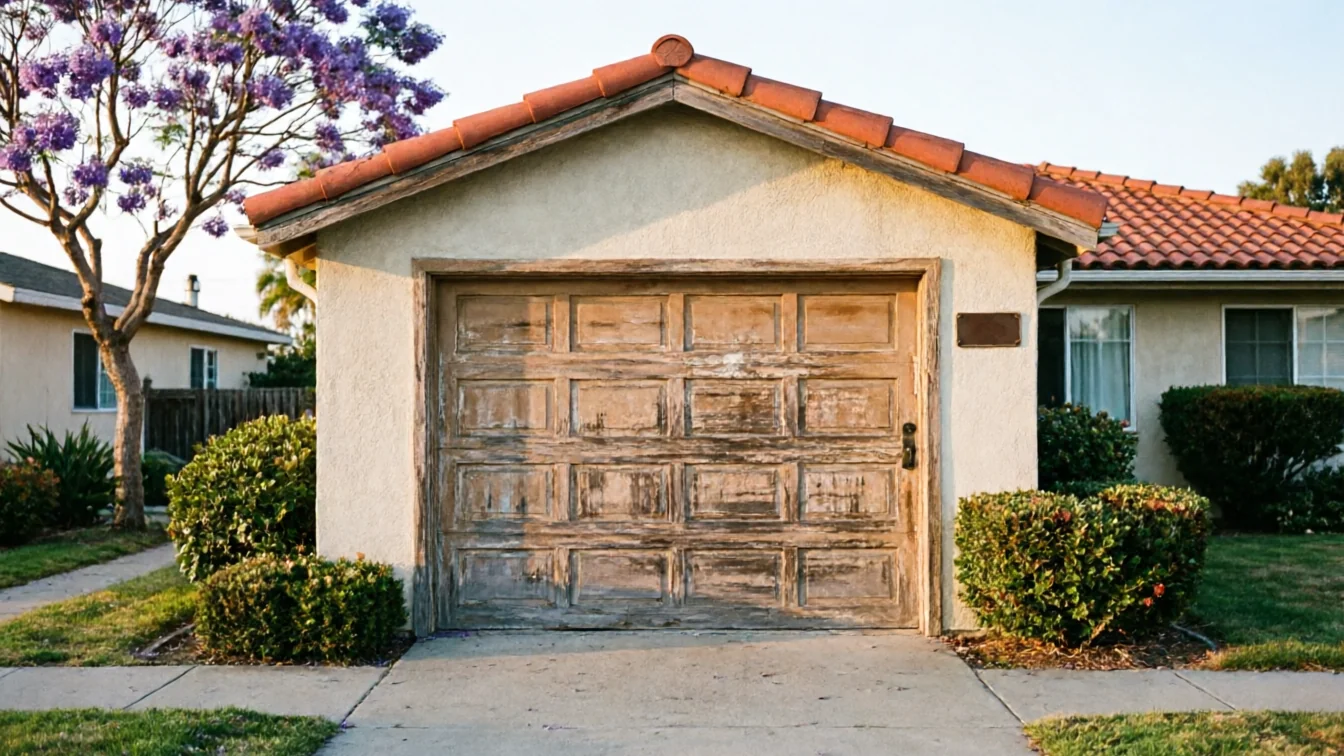
What an Older Door in Poway Is Actually Worth Fixing
Poway homes mostly date 1967-1992.
Read guide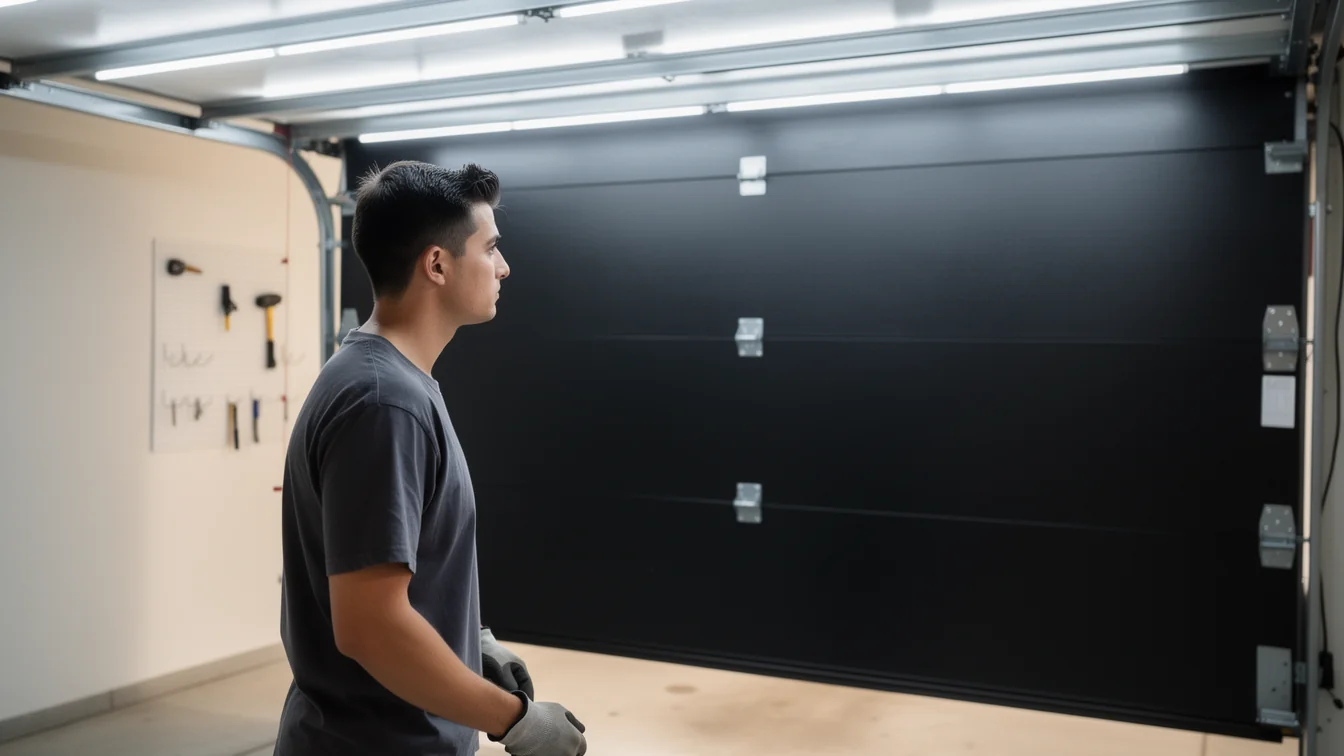
What That Garage Door Noise Is Actually Telling You
Poway's 1967-1992 housing stock and mild climate create specific noise patterns in garage doors.
Read guideReady when you are
Need a garage door sorted in Poway?
Poway Garage Door Pros repairs and installs garage doors, springs and openers in Poway, CA and the surrounding area.