
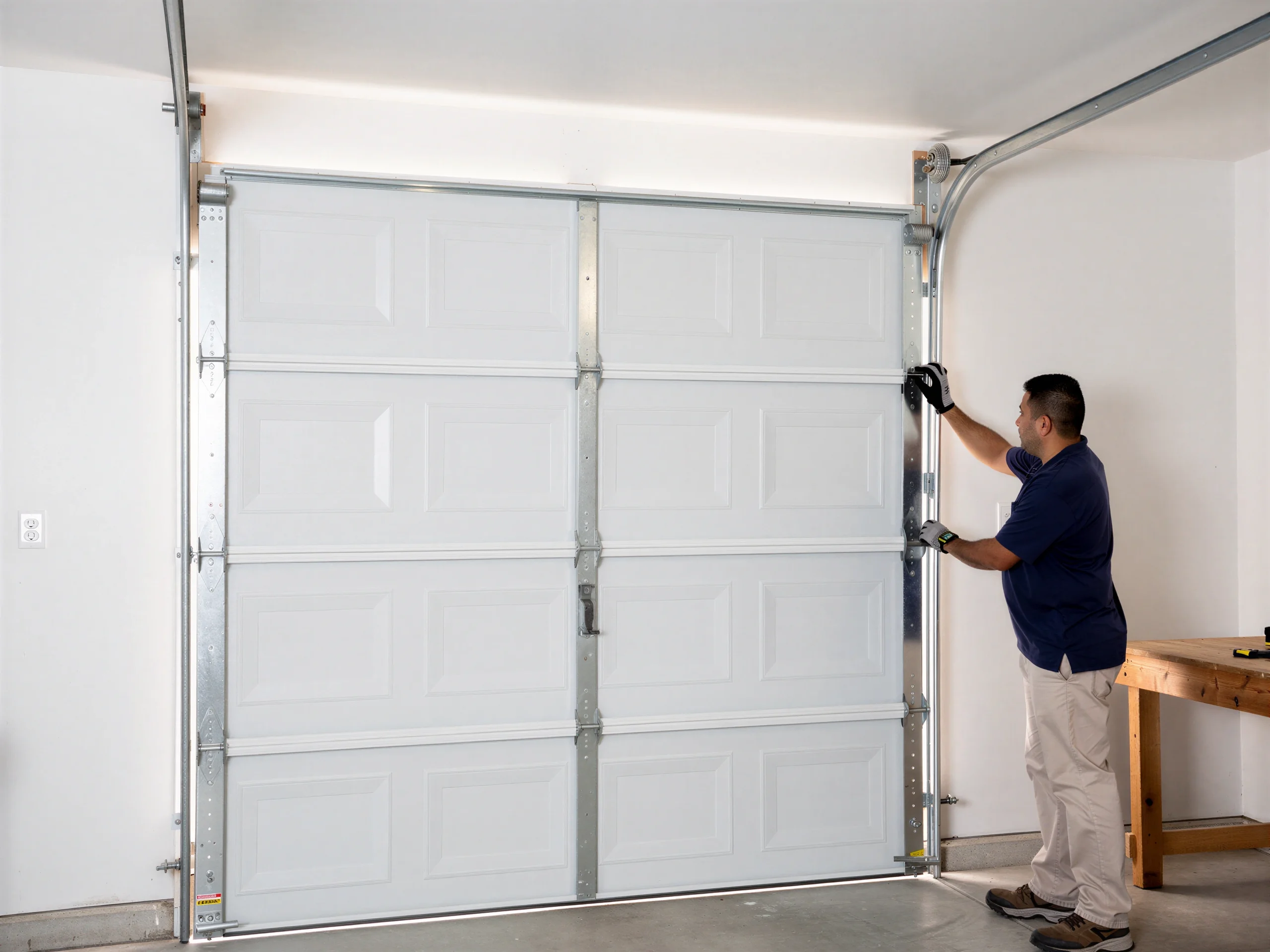
Casa De Oro Mount Helix, Poway
Replacing a 1969-Era Garage Door in Casa de Oro-Mount Helix
Most homes in Casa de Oro-Mount Helix date to around 1969, nearly a decade older than the area median. Poway Garage Door Pros installs doors built for that original hardware.
How We Fix It
Houses in Casa de Oro-Mount Helix mostly went up around 1969, which puts a good share of the neighborhood's garage doors ahead of the broader service area's median build year of 1978.
Original track and lift cables
That decade matters: a door from 1969 is more likely to still be running on its original track, its original lift cables, and sometimes its original springs, because nobody ever had a reason to touch them until something broke. When we install a new door out here, we're not just swapping a panel.
Re-hanging modern-rated rail
We pull the old track and re-hang new rail sized for a modern door, because track drilled for a 1969-weight single-layer steel door usually isn't rated for the heavier insulated sections homeowners want now. We set new springs sized to the actual door weight rather than reuse what's hanging, and we check the jamb for square before anything goes in, since framing from that era can be off by enough to bind a new door even when the old one ran fine.
Scheduled out-of-town installs
We travel out from Poway for this work, 16 miles each way, so we schedule the job rather than show up same-day on a whim. That's a limitation worth saying plainly: if you need a door looked at today, call ahead and we'll tell you honestly what's realistic given the drive.
Why It Happens Here
The broader area this company covers was mostly built between 1967 and 1992, with a median around 1978. Casa de Oro-Mount Helix sits on the older end of that, closer to 1969, which means more of its original garage door hardware than you'd find in a neighborhood built even ten years later.
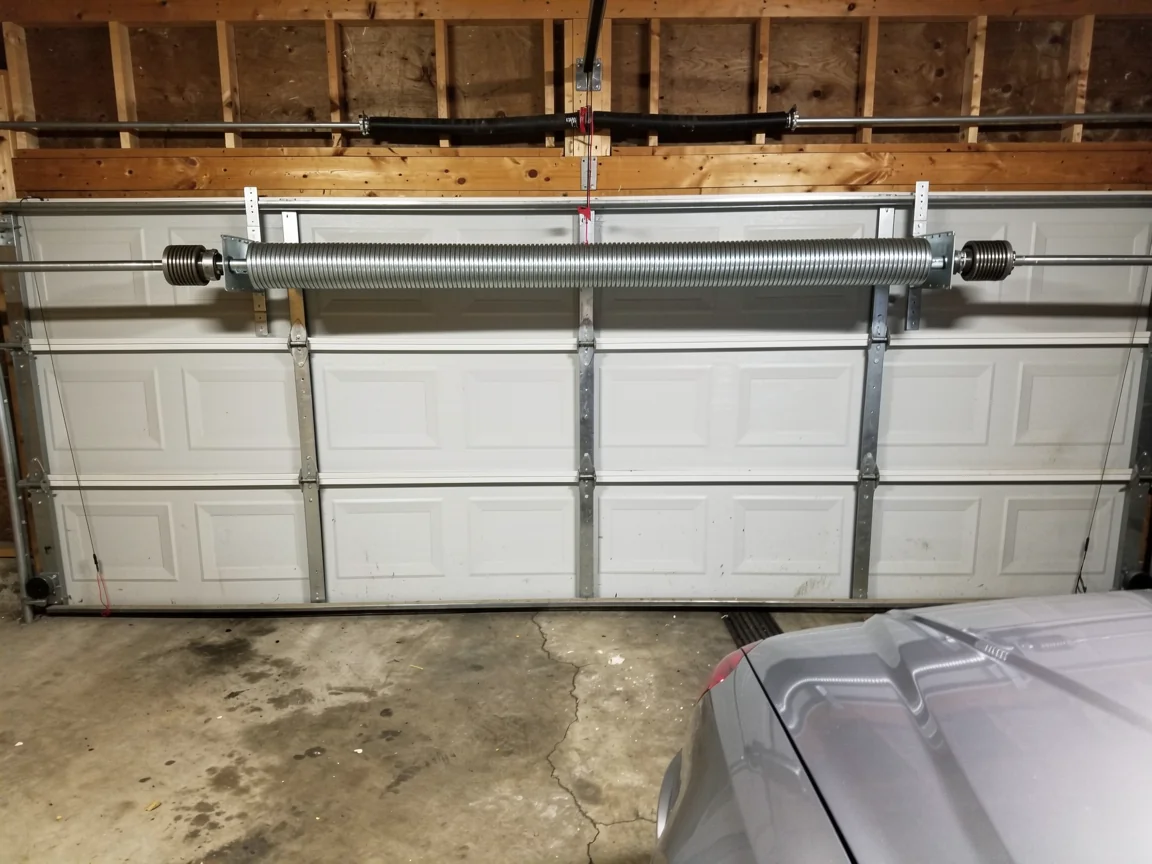
A door installed in 1969 wasn't built to today's expectations. Single-layer steel, no insulation, a single torsion spring sized for a lighter panel than what's sold now. None of that failed on its own, because the climate here is mild and temperate - no hard freeze-thaw cycles tearing at seals, no deep cold snapping cables. What wears these doors out is decades of daily cycling on hardware that was never meant to run this long: rollers worn oval, a spring that's cycled past its rated life, a track that's loosened at the mounting brackets over fifty-some years.
Median household income in this part of the service area runs $123,037, a bit above the wider area's $118,431, which is part of why we see more owners here choosing to replace rather than keep patching an old door. It's not that the door failed catastrophically - it's that the original parts have simply run their course.
How Long You Are Without the Door
We're honest about this part because it's the one owners ask about first. We come from Poway, which is a 16-mile drive to Casa de Oro-Mount Helix, so we don't operate out of a depot in the neighborhood and we won't claim a response time we can't back up.
Typical same-day installation
Once the job is scheduled, removing an old 1969-era door and setting a new one is typically a same-day job - old panels off, track rehung, new springs set and balanced, opener reconnected if you're keeping it.
Door lead times outside control
What can stretch that out is the door itself: if you've picked a size or style that isn't in local stock, lead time on the actual door is outside our control and we'll tell you the real wait before you commit, not after. The garage isn't open and unsecured for days during a normal install.
Hours, not overnight exposure
The gap is measured in hours on the day we're there, not an overnight stretch with the opening exposed. If your situation is different - say the frame needs rebuilding because the original jamb has shifted - we'll say so up front rather than let the schedule slip quietly.
The Symptom
The complaint we hear most from this part of the service area isn't a door that won't open at all - it's one that's gotten heavy and slow, or that's started drifting off-center as it travels.
Undersized 1969 torsion spring
That matches what you'd expect from hardware installed around 1969: a single torsion spring, sized for a lighter door than what's commonly installed today, straining to lift panels it was never rated for if an owner has swapped in a heavier insulated replacement without upgrading the spring.
Oval rollers rattling audibly
Sometimes it shows up as a door that pops slightly off the track near the top of its travel, or rollers that have worn oval enough to rattle audibly. Those are both symptoms of age-cycling, not sudden damage - the parts didn't break, they wore down over fifty-plus years of twice-daily use.
Stalling at halfway point
Less often, we hear about a door that simply won't lift past halfway. That's usually the spring itself giving out after decades past its rated cycle count, and at that point replacing just the spring on an otherwise original 1969 door often isn't worth it next to installing a full new door built to current weight and insulation standards.
What Can Go Wrong
The main risk with original 1969 hardware is mixing old and new. Reusing an old track with a new, heavier door is the single most common mistake we see from DIY attempts in older neighborhoods like this one - the track looks fine, so it gets kept, and then the door binds or drops because the rail was never rated for the new panel weight.
Hidden cable fraying near drum
Lift cables and drums from that era are another spot we check closely. Decades of UV and cycling can leave a cable looking intact while it's actually frayed near the drum, and that's not something you want failing while the door is mid-travel.
Out-of-square original jambs
Framing is the honest limitation here: original jambs in houses this age aren't always square, and a new door installed against an out-of-square opening will bind or leave daylight gaps no matter how well the door itself is built.
Frame adjustments flagged upfront
When that's the case, the fix is adjusting the frame, not swapping parts on the door, and that adds time and cost we'll flag before we start, not bury in a final invoice.
Questions
Common questions
Is my garage door original to the house if it was built around 1969?
It's possible. A lot of homes in Casa de Oro-Mount Helix date to around 1969, which is close to a decade older than the median for the wider service area. If the door, track, or springs have never been replaced, they're likely original, and original hardware from that era usually isn't rated for the heavier insulated doors sold today.
How far out do you travel for an install here?
We come from Poway, about 16 miles away. We don't keep a branch or depot in Casa de Oro-Mount Helix, so we schedule installs rather than offer same-day drop-in service. If timing matters, tell us when you call and we'll give you a realistic date.
Can you just replace the spring instead of the whole door?
Sometimes, but on a door this old the spring usually isn't the only worn part - track, rollers, and cables have typically cycled the same number of times. If most of the hardware is original to a 1969 build, a full replacement often costs less over time than patching one failed part on an otherwise aging door.
Does the mild climate here mean less wear on garage doors?
It helps with some things - no freeze-thaw cracking seals or snapping cold-stiffened cables. But it doesn't stop ordinary wear from daily cycling. A door built in 1969 has still opened and closed tens of thousands of times regardless of weather, and that mechanical wear is what eventually catches up with original springs and rollers.
Explore more
More Services in Casa De Oro Mount Helix
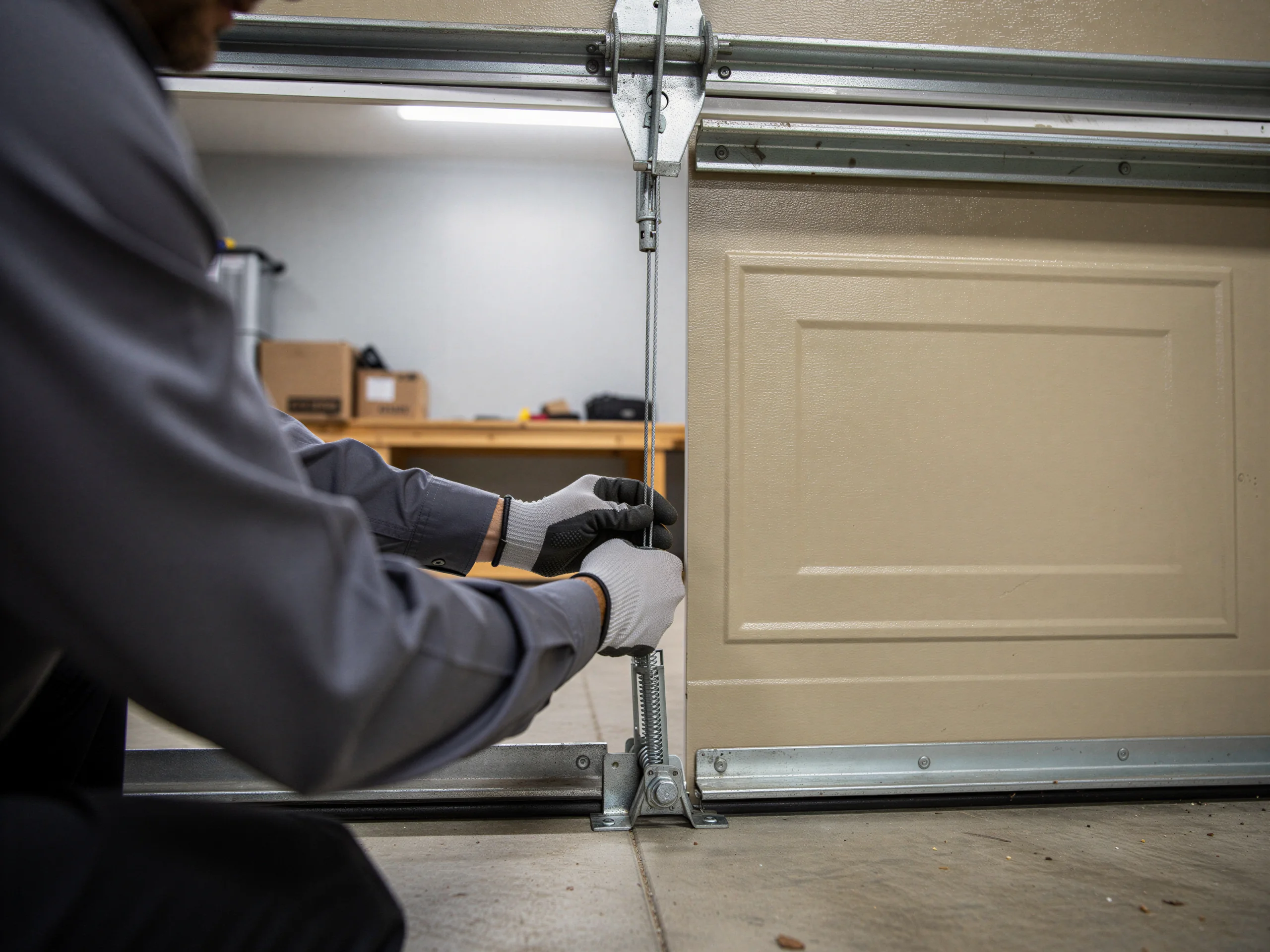
Cable Repair
Cable repair for Casa de Oro-Mount Helix homes built mostly in 1969, serviced from Poway, 16 miles out. Learn more →
Emergency Garage Door
Casa de Oro-Mount Helix homes date mostly to 1969, which means specific spring and track failures. Learn more →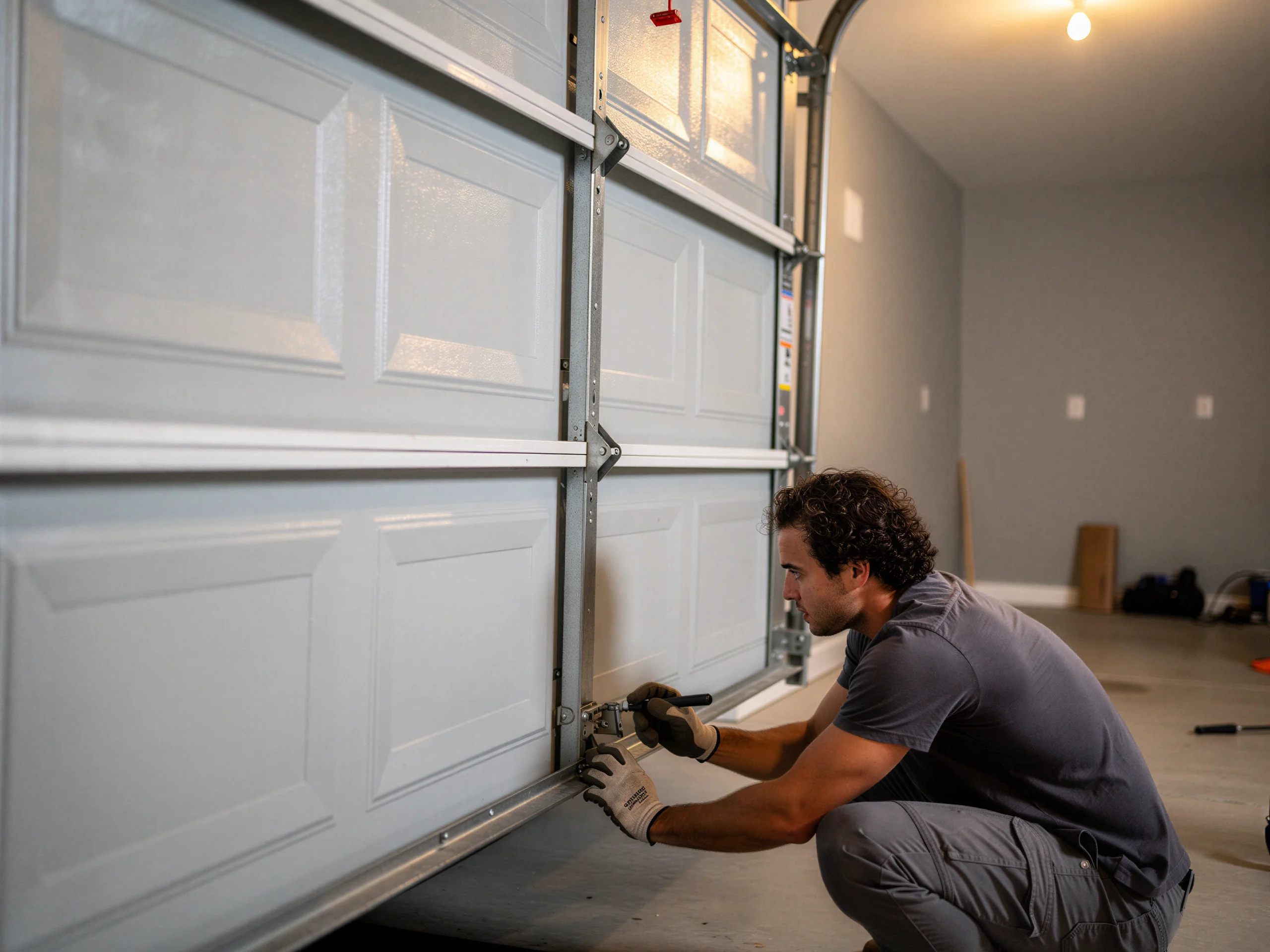
Garage Door Repair
Garage door repair for Casa de Oro-Mount Helix homes built mostly around 1969. Learn more →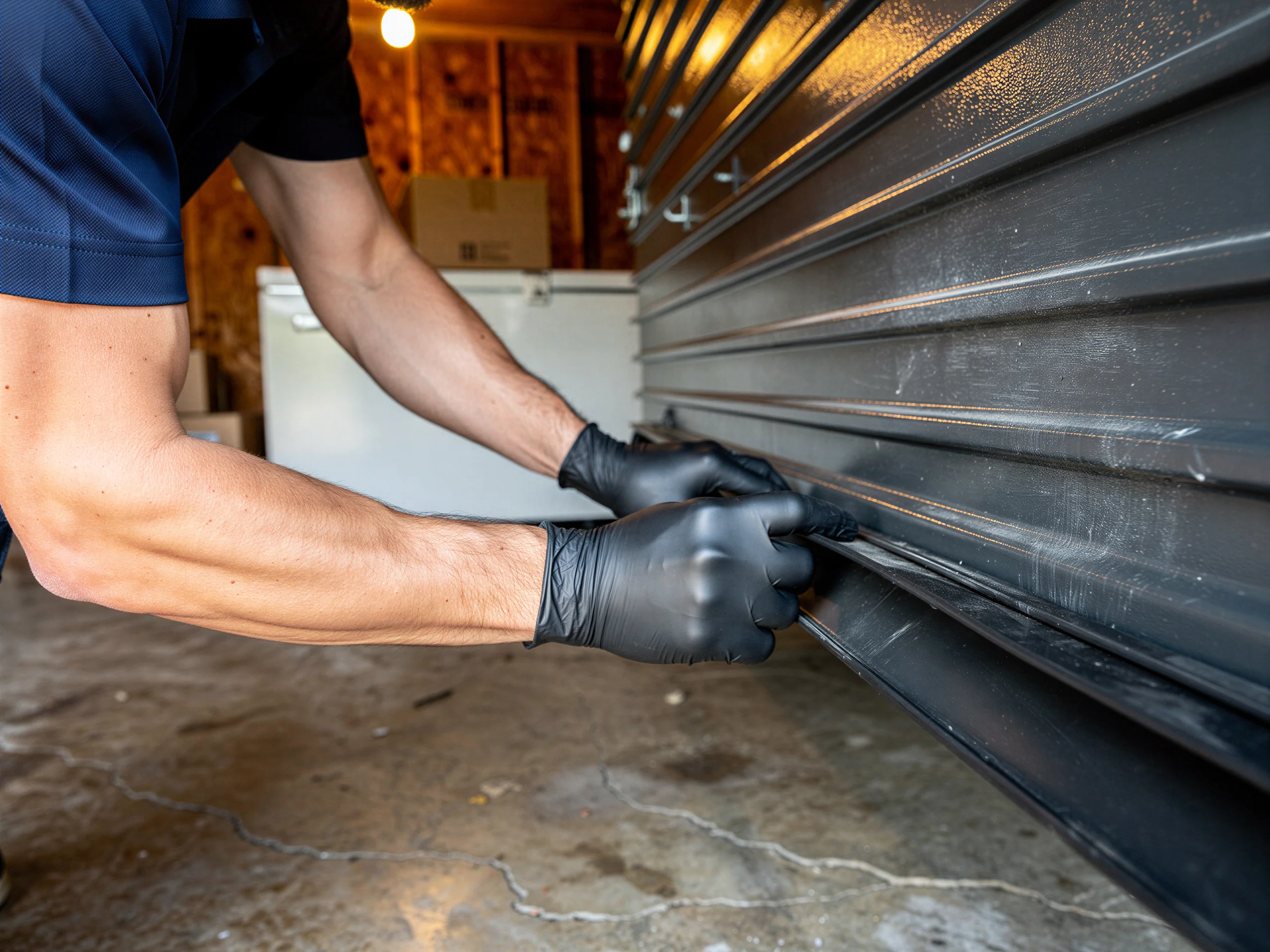
Garage Door Service
Garage door repair for Casa de Oro-Mount Helix homes built mostly in 1969 - original torsion hardware, worn rollers, and openers that have outlived their parts. Learn more →
Maintenance
Maintenance for Casa de Oro-Mount Helix's 1969-era garage doors, serviced on the 16-mile route from Poway. Learn more →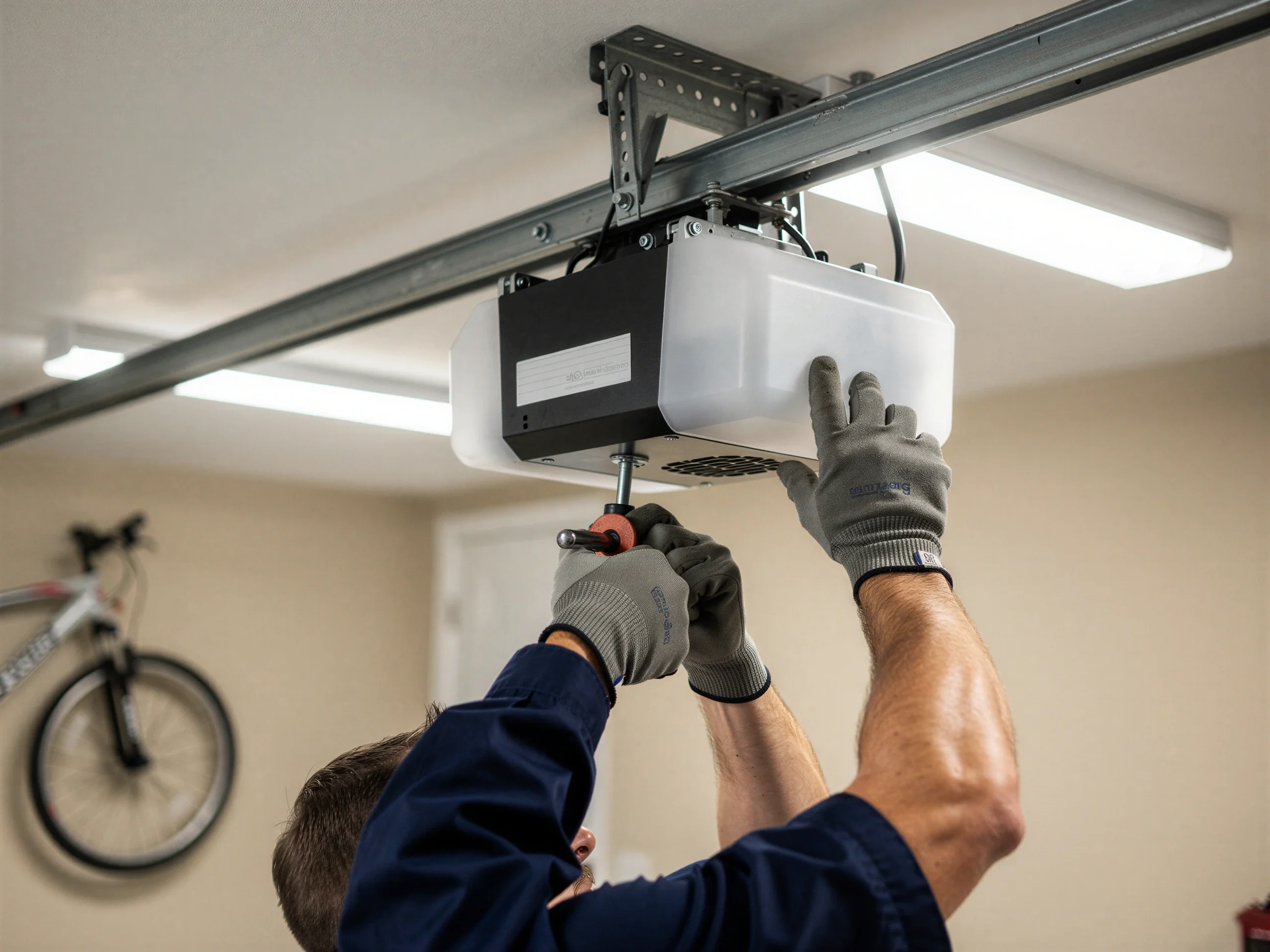
Opener Installation
Opener installs for Casa de Oro-Mount Helix's 1969-era houses, done by Poway Garage Door Pros, 16 miles out. Learn more →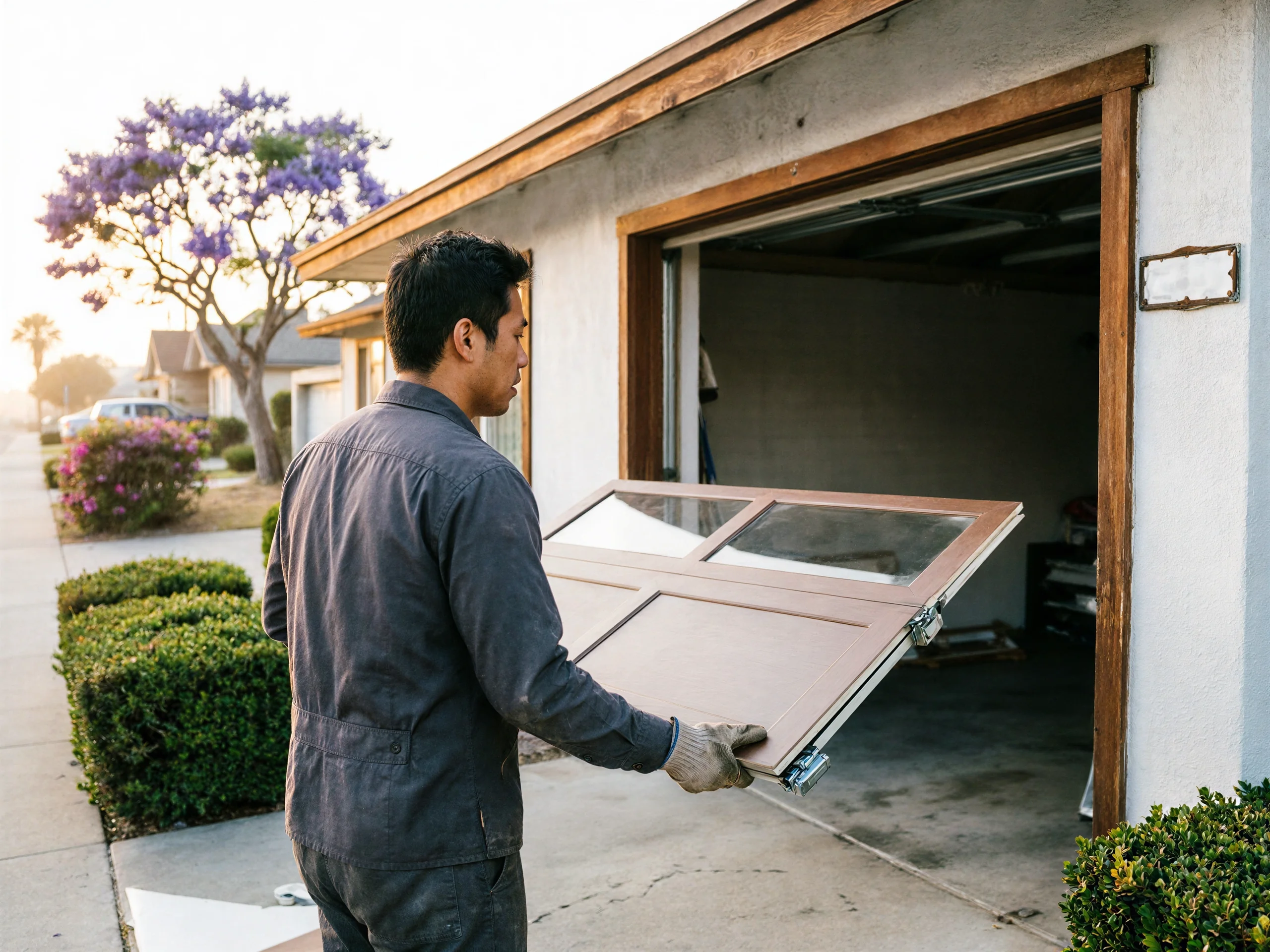
Panel Replacement
Panel replacement for Casa de Oro-Mount Helix homes built around 1969, serviced from Poway. Learn more →Ready when you are
Need a garage door sorted in Poway?
Poway Garage Door Pros repairs and installs garage doors, springs and openers in Poway, CA and the surrounding area.